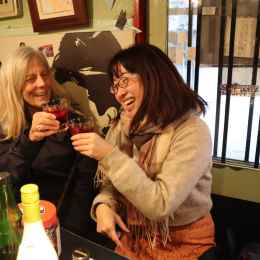
Chiara is a friendly professional who listened and showed us all we wanted.Ian, Tokyo, 2026

Table Of Contents
- Sangenjaya at a Glance: What to Know Before You Go
- Landmarks and Local Highlights: Things to Do in Sangenjaya
- Food and Drink: The Flavors of Everyday Tokyo
- Shopping: Independent Finds and Everyday Stores
- Slow Down: The Best Way to Experience Sancha
- Practical Information: What to Know Before You Go
- Frequently Asked Questions: Things Travelers Still Want to Know
- The Sancha You Remember After Leaving
There are days when Tokyo feels like it moves a little too fast, and Sangenjaya is where I go to slow it back down. It reminds me that some of the most memorable Tokyo experiences happen away from the city's busiest attractions. I like arriving without much of a plan. Maybe I'll stop for coffee, maybe I'll wander through the backstreets until I find somewhere for lunch. Most visits end a little differently, and that's part of the appeal.

Tomomi standing outside a seafood restaurant in Sangenjaya
People often describe Sangenjaya as a hidden gem, but that never feels quite right to me. It's a neighborhood where people actually live. You'll see parents collecting children from daycare, friends meeting after work, cyclists weaving through quiet residential streets, and regulars slipping into the same little cafés they've been visiting for years. Spend a few hours here and it's easy to understand why so many Tokyo residents simply call it Sancha.
That is what gives the neighborhood its lasting pull. The view from Carrot Tower is lovely, and the tiny bars of Sankaku Chitai are full of character, but neither is the real reason to visit. Sangenjaya isn't somewhere I come to tick off attractions. It's somewhere I come when I want to remember that Tokyo can feel surprisingly calm, even when Shibuya is only about five minutes away by train.
The Best of Tokyo Begins in Neighborhoods Like This
If you enjoy slower neighborhoods, local cafés, and everyday Tokyo, these experiences will help you explore even more of the city beyond the usual sights.
Sangenjaya at a Glance: What to Know Before You Go
Locals rarely use the full name Sangenjaya. More often, you'll hear Sancha, a nickname that feels as familiar as the neighborhood itself. About five minutes by train from Shibuya in Setagaya City, it is the kind of place people return to for a good coffee, an easy dinner, or an afternoon with nowhere particular to be. Even if this is your first time in Japan, Sangenjaya is an easy neighborhood to explore once you've seen some of Tokyo's bigger landmarks.
Why visit: A slower, more local side of Tokyo with cafés, backstreets, and everyday neighborhood life
Best for: Coffee lovers, foodies, repeat Tokyo visitors, and travelers who enjoy wandering without a fixed plan
Safety: If you are wondering is Tokyo safe, Sangenjaya feels calm and residential, though the usual awareness is still sensible around nightlife areas.
Highlights: Carrot Tower, Sankaku Chitai, Chazawa-dori, shotengai shopping streets, cafés, bakeries, and small izakayas
Food and drink: Specialty coffee, neighborhood bakeries, casual lunch spots, traditional izakayas, and relaxed evening dining
Shopping: Independent boutiques, lifestyle stores, vintage finds, and everyday shopping streets instead of large malls
How long to spend: Half a day for the highlights, or a full day if you like exploring slowly
Best time to visit: Late afternoon into the evening, when cafés are still busy and Sankaku Chitai starts to come alive
You'll leave with: A different picture of Tokyo, one shaped by neighborhood life instead of famous landmarks.
One of the best things about Sancha is how quickly it changes once you leave the main roads.
Landmarks and Local Highlights: Things to Do in Sangenjaya
Sangenjaya does not have the kind of landmark list that takes over a whole day, and that is part of its appeal. Its defining places are easy to find, but the moments between them often become the ones people remember most.
Carrot Tower: Seeing the Neighborhood From Above
Best time: Late afternoon or sunset on a clear day. You can return to the streets as cafés and izakayas begin to fill.
Carrot Tower is Sangenjaya's best-known landmark, but it does not feel like the main reason to visit. The public observation space offers a broad view across western Tokyo. It gives you a clear sense of how the area sits between busy roads, low-rise streets, and the wider city beyond.

Carrot Tower beneath a partly cloudy Sangenjaya sky
In clear conditions, Mount Fuji may appear beyond the western rooftops. The view is worth the pause, but Sangenjaya becomes more interesting once you are back at street level. That is where the cafés, small shops, and narrow lanes begin to show what the neighborhood is really about.
Sankaku Chitai: Where the Evening Begins
Tip: Walk through the area once before choosing where to eat. The smallest places are often the easiest to overlook.
A few minutes from the station, Sankaku Chitai is one of Sancha’s most distinctive corners. Its name means “Triangle District,” referring to the shape of the area between Setagaya-dori and Tamagawa-dori. Inside, narrow lanes weave between long-standing izakayas, small bars, and independent eateries. Their close quarters give this part of Sancha a more intimate feeling than Tokyo's larger nightlife districts. This is where Sangenjaya nightlife feels most distinct.
It is worth walking through once before choosing somewhere to eat. Every lane feels slightly different. Some places are lively and open to the street, while others sit quietly behind noren curtains. There is no single best stop here, and that is part of the pleasure. Spending a little time looking around helps the area feel like a neighborhood, not a checklist.
Chazawa-dori: Where the Neighborhood Comes Together
Tip: Some sections have traffic-free periods on Sundays. Check current local notices before planning around them.
If Sancha has a main street, this is it. Chazawa-dori links many of the neighborhood's best-known spots, but it never feels like a road designed only for visitors. Independent cafés sit beside long-established businesses, while bakeries, bookstores, and small boutiques give the street a distinctly local character.

Tomomi strolling along Chazawa-dori in Sangenjaya
This is one of the best places to see how the area fits together. Rather than walking straight from one attraction to the next, take time to look into the smaller streets that branch away from Chazawa-dori. A turn that was not planned can lead to a quieter café, a small shop, or a side street that feels more interesting than the route you had in mind.
Side Streets: Where Everyday Tokyo Reveals Itself
One of the best things about Sancha is how quickly it changes once you leave the main roads. A busy corner becomes a quiet residential lane. A bakery appears beside an apartment block. Around the next turn, there might be a small café upstairs or a shop that feels easy to miss.
These streets are not headline attractions, but they often stay with people longest. They are the kind of hidden gems in Tokyo that rarely appear on a first itinerary but are often remembered long after the trip. There is no perfect route to follow, which suits Sancha well. Walk slowly, turn when something catches your attention, and let the neighborhood show itself in small pieces.
You Don't Need More Sights. You Need Better Moments.
The most memorable days in Tokyo often begin with a quiet neighborhood, a great café, and nowhere particular to be. Explore with a local host who knows where those moments happen.
See Private ToursFood and Drink: The Flavors of Everyday Tokyo
Sancha is not built around one famous restaurant, and that is part of its charm. Food is woven into everyday life, whether it's a quiet morning in a neighborhood café, a bakery that's been part of the community for years, or an izakaya where friends gather after work. Instead of planning the day around one meal, leave room for small stops between cafés, bakeries, and izakayas.
Independent Cafés: Coffee Beyond the Chains
What to order: Try CHILK, the three-layer bottled cheesecake created in Sangenjaya.
The cafés here feel like part of daily life rather than destinations in themselves. Some have only a handful of seats, while others are tucked away upstairs behind an ordinary doorway. For a slower stop, Cafe The Sun Lives Here is an easy place to recommend. It is best known for CHILK, its three-layer bottled cheesecake, but I still look to see what is seasonal before deciding.

Barista preparing coffee in a Sangenjaya café
There are independent cafés throughout Sancha, each with its own personality. Rather than searching for the "best" one, choose the place that feels right in the moment. Some of my favorite café stops have been the ones I found simply by looking down a quieter street or climbing a narrow staircase.
Local Lunches: Casual Dining Without the Fuss
Sangenjaya restaurants are not built around one famous dish, and lunch is better for that variety. You might find a teishoku restaurant serving grilled fish and miso soup, a quiet curry counter, or a ramen shop where people eat before returning to work. These are not meals built for attention. They are the kind that make the neighborhood feel useful, familiar, and easy to enjoy.
A balanced teishoku, a bowl of noodles, or a warm plate of curry often suits the mood here. Nothing needs to be dressed up too much. The pleasure is in sitting down, eating well, and letting the rest of the afternoon stay open.
Neighborhood Bakeries: Fresh Bread Worth Slowing Down for
What to try: Freshly baked shokupan or whatever has just come out of the oven. The best choice often changes with the season.
A good bakery is hard to walk past in Sancha. The smell of fresh bread drifting onto the street is usually enough to make me stop, even if I wasn't planning to. That small detour feels very much in keeping with the neighborhood. Nothing is rushed, and some of the nicest moments happen because something catches your attention along the way.
Junibun Bakery is the place I would point you toward first. The bread is excellent, but I wouldn't go looking for one signature loaf. Choose whatever has been baked most recently, or something made with seasonal ingredients. That little bit of spontaneity is part of the pleasure, and it suits Sangenjaya perfectly.
Izakayas: Where Evenings Begin Slowly
Tip: Smaller izakayas often have limited seating. If one looks full, try the next door.
As afternoon fades into evening, Sancha changes almost without you noticing. Office workers stop for a drink before heading home, friends gather around small tables, and the glow from noren curtains begins to spill onto the street. It feels relaxed rather than hurried, which is why this area feels so good after dark.

Locals enjoying dinner at a neighbourhood izakaya in Sangenjaya
The busiest place is not always the best choice. A small neighborhood izakaya with a handwritten menu and a few daily specials is far more appealing. Order a couple of dishes to share, take your time, and enjoy the conversation around you. The food matters, but the memory is often the room itself: the handwritten menu, the voices nearby, and the feeling that nobody is in a hurry.
Don't Rush the Next Street
In Sangenjaya, the best cafés, bakeries, and small discoveries are often just around the next corner. Slow down and let the neighborhood surprise you.Shopping: Independent Finds and Everyday Stores
I like shopping in Sancha because it does not feel like a task. A small ceramics display, a secondhand rack, or a neatly arranged shelf of home goods can pull you in for ten quiet minutes. The shops here suit the neighborhood: personal, practical, and often more interesting than they first appear.
Lifestyle Shops: Small Things Worth Taking Home
Look for: Ceramics, stationery, home goods, and small pieces that feel useful after the trip.
The nicest shops in Sancha are often the ones you enter without expecting much. A shelf of handmade cups, a simple notebook, or a small kitchen item can feel more meaningful than a souvenir bought in a hurry. PUEBCO Sangenjaya is one shop I would make time for. Its home goods often use recycled or repurposed materials, and the designs are practical without feeling ordinary.
I always prefer things that will become part of daily life once you are home. That is where shopping here feels different from larger Tokyo districts. You may not leave with many bags, but you are more likely to leave with one thing you clearly remember choosing.
Shotengai: Everyday Shopping at Its Best
Shopping in Sancha still feels connected to everyday life. The local shotengai are filled with greengrocers, florists, family-run businesses, and small specialty stores that people use every week. You are walking through a shopping street that belongs to the community first, and visitors simply become part of it for a while.

Shoppers browsing a neighbourhood shotengai in Sangenjaya
I rarely come here looking for one particular shop. Instead, I enjoy seeing what catches my attention as I walk. A florist arranging seasonal flowers, a shop selling handmade kitchenware, or a family bakery preparing the next batch for the afternoon all add to the feeling that Sancha is a neighborhood people live in, not one created around tourism.
Plan Smarter, Travel Better
Chat with someone who lives there and skips the guesswork.
Slow Down: The Best Way to Experience Sancha
There is no right way to spend time in Sancha, but arriving with a long list often works against the area. A little extra time and the freedom to change direction usually lead to a better day.
Walk Without a Plan: Leave Room for Discovery
Sancha rarely rewards a strict itinerary. I often leave the station with only one destination in mind, knowing the rest of the day will probably change. A bakery might tempt me inside, a café might have a seasonal dessert I wasn't expecting, or a side street may lead somewhere I've never noticed before.
That sense of flexibility is part of what makes the area so enjoyable. There is no pressure to keep moving because the next interesting place is often only a few minutes away. Walking slowly gives you time to notice the details that are easy to miss when you are focused on reaching the next attraction.
An Easy Half-Day: Coffee, Shops, and an Evening in Sancha
I would begin around Chazawa-dori after lunch, with enough time for a café or bakery along the way. From there, wander through the smaller shopping streets before reaching Carrot Tower in the late afternoon. Once the light begins to fade, cross toward Sankaku Chitai and walk through the lanes before deciding where to eat. It is a simple route, but it leaves enough space for the small detours that make Sancha memorable.
Practical Information: What to Know Before You Go
Sangenjaya is easy to reach, but a little preparation makes the visit smoother. Knowing how to get there, how to pay, and when to begin the journey home leaves more time to enjoy Sancha.
Transport: Getting to Sangenjaya
- Sangenjaya Station is served by the Tokyu Den-en-toshi Line and the Tokyu Setagaya Line.
- From Shibuya, the journey takes about five minutes on the Tokyu Den-en-toshi Line.
- The Tokyu Setagaya Line begins in Sangenjaya and connects quieter residential areas in western Tokyo.
- A Suica or PASMO card makes traveling between trains and buses quick and convenient.
Payments: Cash or Card?
- Cards and cashless payments are common, but they are not accepted everywhere.
- Smaller izakayas, bakeries, and long-established businesses may still prefer cash.
- Carry a small amount of yen, especially if you plan to spend the evening in Sankaku Chitai.
Evenings: Getting Home
- Check the time of your last train before settling in for dinner or drinks.
- Taxis are another option, but fares rise quickly over longer distances.
- Many bars sit beside residential streets, so keep your voice down as you return to the station.
Frequently Asked Questions: Things Travelers Still Want to Know
1) Is Sangenjaya a good place to stay in Tokyo?
Yes, especially if you prefer cafés, local dining, and quieter evenings to major tourist areas. Hotel choice is more limited than in Shibuya or Shinjuku, but the neighborhood is only about five minutes from Shibuya by train.
2) What does Sangenjaya mean?
Sangenjaya means “three tea houses.” The name dates to the Edo period, when three tea houses served travelers near the meeting point of important routes.
3) Is Sangenjaya expensive?
Not necessarily. You will find affordable ramen, teishoku lunches, specialty cafés, and small izakayas, so the neighborhood works across several budgets.
4) Is Sangenjaya better than Shimokitazawa?
They suit different travelers. Shimokitazawa is stronger for vintage shopping and live music, while Sangenjaya feels more residential and is better suited to cafés, local dining, and an unhurried afternoon.
5) Is Sangenjaya connected to Persona 5?
Yes. The fictional Yongen-Jaya area in Persona 5 was modeled in part on Sangenjaya, and fans may recognize details from the surrounding streets.
The Sancha You Remember After Leaving
There are still places in Tokyo that surprise me, but Sancha is one of the few I never feel the need to "finish." Every visit is a little different. Sometimes it is a quiet coffee, sometimes an unplanned afternoon that stretches into dinner, and sometimes it is simply the comfort of walking streets that ask nothing from you except that you slow down.

Late afternoon along Chazawa-dori in Sangenjaya
That is why I keep coming back. Not because there is always something new to see, but because Sancha reminds me that Tokyo is more than bright lights and famous crossings. It is neighborhoods where people greet familiar faces, cafés where no one minds if you stay a little longer, and small moments that never appear on an itinerary but somehow become the ones you remember most.
If you leave feeling as though you have only scratched the surface, then you have probably experienced Sancha exactly as it should be. It is the kind of place that quietly gives you a reason to return, and one of the Japan experiences I recommend most to travelers looking beyond the obvious.


Ready to Plan Your Perfect Day in Tokyo?
Start your experienceEscape the Rush Without Leaving Tokyo
Spend time in Sangenjaya, where neighborhood cafés, quiet streets, and local favorites reveal a calmer side of the city.
Talk to a Local Before You Explore Tokyo
Book a video call with a local host to discover neighborhoods like Sangenjaya and get personalized recommendations based on how you like to travel.
Meet Your Tokyo Hosts
Our local hosts know the neighborhoods that make Tokyo memorable, from places like Sangenjaya to the quieter streets, cafés, and local favorites that most visitors never discover.