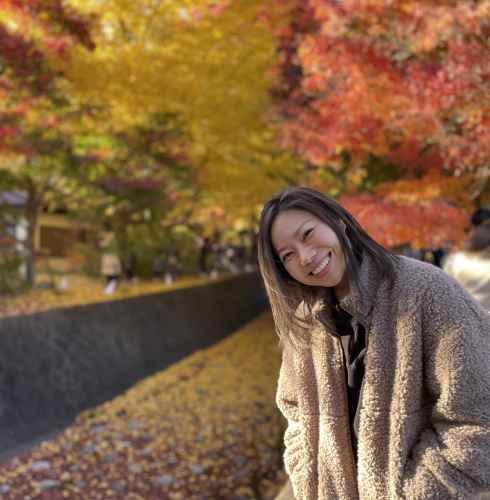
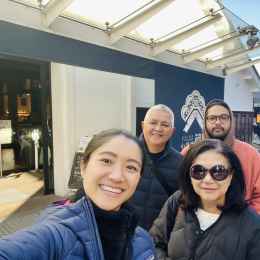
Leon has been an incredible guide for exploring Shinbuya on our first day, he is extremely nice and answered all of our questions. It was a great morning with him, I highly recommend the experience.Amato Roberto, Tokyo, 2026

Table Of Contents
- At a Glance: How to Plan the Visit
- A Simple Route: Station, Garden Place, Beer, and Bars
- Garden Place and the Beer Story: Start with the Easy Walk
- Art and Music: Choose the Mood Before Dinner
- Food and Bar Streets: Let Dinner Stay Loose
- Views and Late Night: Choose a Softer Finish or a Louder One
- Shopping and Seasonal Stops: Browse Without Making It a Mall Day
- Common Mistakes: What Can Flatten the Visit
- Practical Tips: How to Make the Visit Easier
- Frequently Asked Questions on Ebisu in Tokyo
- Why This Walk Stays with You: Ebisu After a Few Good Hours
Ebisu is where Tokyo exhales without going quiet. Ebisu is a Tokyo neighborhood near Shibuya known for Yebisu Garden Place, beer culture, restaurants, bars, photography, and relaxed nightlife. Step out of Ebisu Station and the neighborhood does not hit you with one big landmark. It builds slowly: the moving walkway toward Yebisu Garden Place, the brick plazas, the pull toward Beer-zaka, the smell of dinner starting near the side streets, and that after-work buzz that makes even a quick drink feel like part of the city’s rhythm.

Sarah walking through Yebisu Garden Place in Ebisu
Ebisu works because it gives you options without making the day feel crowded. For travelers looking beyond the obvious Tokyo experiences, you can follow the beer story at YEBISU BREWERY TOKYO, disappear into the Tokyo Photographic Art Museum, take in the view from Yebisu Garden Place Tower, then end the night in Ebisu Yokocho or a live music venue without leaving the neighborhood. It is polished in places, scruffy around the edges in others, and best understood on foot. Ebisu is worth visiting if you want an easy Tokyo evening built around Yebisu Garden Place, beer, photography, casual food streets, bars, and live music.
Explore the Side of Tokyo That Ebisu Does Best
From local food culture and neighborhood discoveries to flexible evenings shaped around your interests, these private experiences reflect the qualities that make Ebisu so rewarding.
At a Glance: How to Plan the Visit
This neighborhood works best when you give it a few unhurried hours instead of treating it like a checklist. Think late afternoon into evening, especially if it is your first time in Japan and you want food, beer, art, and music without forcing a heavy sightseeing plan.
- Best for: Travelers who like food streets, beer culture, photography, live music, and a polished Tokyo neighborhood with a little edge after dark.
- How long to spend: Plan for 3 to 5 hours, especially when Yebisu Garden Place, the brewery, dinner, and bars are all part of the plan.
- Best time to go: Late afternoon into evening gives the area its best rhythm, with daylight around the plazas and a stronger food and bar scene after dark.
- Who it suits: Couples, solo travelers, repeat Tokyo visitors, and first-timers who want a softer night out than busier entertainment districts.
- Who should skip it: Skip it for major temples, bargain shopping, big tourist landmarks, or a packed sightseeing day.
A Simple Route: Station, Garden Place, Beer, and Bars
- For travelers comparing relaxed things to do in Tokyo, this route keeps the walk tight and easy. Start with the calmer east side, let Yebisu Garden Place set the pace, then drift back toward the station as the restaurants and bars start to warm up.
- Start at JR Ebisu Station: Use the east exit for the easiest route toward Yebisu Garden Place.
- Walk the Skywalk: Let the moving walkway carry you toward the brick plazas without overthinking the route.
- Pause at Garden Place: Take in the plaza, Center Plaza, and the view from Yebisu Garden Place Tower.
- Choose beer or art: Go to YEBISU BREWERY TOKYO for the beer story, or the Tokyo Photographic Art Museum for a quieter creative pause.
- Loop back for dinner: Head toward Beer-zaka or the station streets when the evening starts to fill in.
- End with bars or music: Finish with small plates, standing bars, Blue Note Place, or LIQUIDROOM, depending on the kind of night you want.
Keep this as a focused stop, not the whole plan, and check current hours before you go.
Garden Place and the Beer Story: Start with the Easy Walk
This part works best before dinner, when the brick paths still catch the late light and nobody has fully committed to the night yet. It gives the area a clean first shape: station, Skywalk, plaza, beer, then back toward smaller streets when the mood changes.
Yebisu Garden Place Tower: End With a Quiet City View
Best for: A polished first stop, easy walking, cafes, architecture, and a calmer start before food or bars.
This is where I start with someone who wants Tokyo to feel lively but not overwhelming. The Skywalk does half the work, carrying you away from the station rush until the space opens into brick, glass, restaurant signs, and people moving at a slower after-work pace. It is not the scruffy side of the area, and that is exactly why it works first. You get your bearings, maybe stop for coffee or something small, then decide whether the next hour should be beer, photography, dinner, or music. For me, Yebisu Garden Place is less about ticking off attractions and more about using it as Ebisu’s reset point. The plaza gives you room to pause before the evening gets tighter around the station streets. If I am with a friend who has just arrived in Tokyo and is still adjusting to the noise, this is where I let them breathe before pulling them toward the bars.
Yebisu Brewery Tokyo: Make the Beer Story Part of the Evening
Why go: This is where the area’s beer history feels current rather than stuck in an old museum label. Ebisu is the neighborhood and station, while Yebisu is the older beer-brand spelling still used in names like Yebisu Garden Place and YEBISU BREWERY TOKYO.

Copper brewing tanks inside YEBISU BREWERY TOKYO
This is the stop I would choose with someone who likes a drink but also wants a reason for being there, especially if they are curious about Ebisu beer and how deeply it shaped the area’s identity. Beer feels less like a drink category here and more like a local language, shaping where people meet, how dinners begin, and how the neighborhood tells its own story. The old Museum of Yebisu Beer framing is outdated, and YEBISU BREWERY TOKYO feels more useful for the way people actually visit now. You can dip into the beer story, from the early Japan Beer Brewery Company days to the brand’s link with the area, then move naturally into a glass rather than turning the whole afternoon into a history lesson. I would not plan dinner around it. I treat it more like a smart first drink, with light snacks if I need something small before the real meal later. The timing is what makes it work. A beer here before sunset gives the evening a little structure, then you can step back outside and still have plenty of night left for the view, a restaurant, or a louder second stop near the station.
Good to know: Keep this as a focused stop, not the whole plan, and check current hours before you go. The best version is beer, a little context, maybe a snack, then back into the walk while the neighborhood is starting to warm up.
Art and Music: Choose the Mood Before Dinner
This is where I usually decide what kind of evening the walk wants to become. Some days, I want the quiet pull of photography before the bars open up. Other nights, I want dinner to come with bass, brass, and that little lift you get when a room is built around sound.
Tokyo Photographic Art Museum: Slow the Walk Down with Images
Best for: A quiet creative break, rainy afternoons, solo travelers, and anyone who likes seeing a city through other people’s lenses

Tokyo Photographic Art Museum entrance with a few visitors
This stop changes the tempo without dragging the day off course. The Tokyo Photographic Art Museum sits in Yebisu Garden Place, so you can step from the brick plaza into a quieter, more focused space without needing another train or a complicated detour. The museum focuses on photography and moving images, and it fits neatly into this route because it sits inside Yebisu Garden Place, a short walk from JR Ebisu Station’s east exit through the Skywalk. This is where I would go with a friend who notices reflections in windows, posters peeling near station stairs, or the way Tokyo looks completely different after rain. It gives the neighborhood a more thoughtful layer before dinner. After an exhibition, I usually want a coffee, a slow walk back outside, and a few minutes before the evening gets loud again.
Blue Note Place: Make Dinner Feel Like Part of the Night
Atmosphere: Polished but warm, better for music with dinner than a wild late-night scene.
Blue Note Place works when you want the night to have rhythm without turning it into a club plan. It opened in Yebisu Garden Place as a dining venue where food and music sit together, so check the schedule before you commit. The room changes depending on the night’s music. This is the kind of place I like with one or two people, not a huge group. You sit down, order properly, and let the music shape the meal instead of treating it as background noise. That matters here because the night does not need to shout to feel alive. Ebisu is not only beer and bars. It can also be a good room, a good table, and the feeling that the evening has started on its own terms.
The Best Parts of Ebisu Are Rarely Found on a Checklist
Spend time with a local host and discover the side of the neighborhood that reveals itself slowly.
Find Your ExperienceFood and Bar Streets: Let Dinner Stay Loose
Dinner and bar hopping work best here when the plan stays a little flexible. Ebisu’s nights tend to feel controlled rather than sprawling: short walks, small rooms, known counters, and enough momentum without turning the evening into a chase. I would rather follow the glow of a counter, split a few small plates, and keep the night moving than lock the whole visit around one formal reservation.
Ebisu Yokocho: Go for Counter Food and Close-Range Energy
Atmosphere: Tight, noisy, social, and better once the evening has properly started.

Sarah and friend sharing yakitori and beer at Ebisu Yokocho
This is where I go when I want the night to feel immediate. Ebisu Yokocho is not polished in the Garden Place way, and that is the point. The seating is close, the menus move fast, and the whole alley has that after-work charge where office shirts, friends, and first drinks all blur together. It works best with one friend or a small group because the space rewards quick decisions. Order something grilled, add a small plate you did not plan on, then let the next round decide whether you stay or move on. It is not the place for a quiet, lingering dinner, but it is perfect when you want food, drinks, and the feeling that the neighborhood has finally switched on. Keep the late-night energy contained when you spill back outside, since Ebisu’s restaurant streets sit close to residential pockets.
Standing Bars and Small Restaurants: Keep the Night Moving
What to order: Beer, highballs, yakitori, karaage, potato salad, grilled fish, or whatever looks good from the counter.
The best nights here usually have a little movement in them. Start with one easy drink, then walk a few minutes before deciding what comes next. Some streets feel tidy and grown-up, while others loosen up around small signs, warm light, and the sound of people calling for another round. This is where the neighborhood feels most natural after dark. Come here with someone who likes music, food, and conversation more than a big party scene. Ebisu has plenty of energy, but it does not need to shout. A good night can be as simple as two plates, one more drink than planned, and a slow walk back toward the station.
Don't Treat Ebisu as a Quick Stop
Give it a few unhurried hours and you'll understand why it's one of Tokyo's most rewarding neighborhoods.Views and Late Night: Choose a Softer Finish or a Louder One
By this point, I usually know what the night needs. Sometimes I want one last wide view before heading back to the station. Other times, the walk has built enough momentum that a live room makes more sense than another quiet drink.
Yebisu Garden Place Tower: End With a Quiet City View
Best for: A calmer pause, city lights, couples, and anyone who wants a final look over central Tokyo.

Yebisu Garden Place plaza and tower in Ebisu, Tokyo
Save the tower view for later, when the upper floors give the evening a clean breath before the station streets close in again. After food, beer, and narrow bar counters, the upper floors feel almost weightless. You look out across the city, and the neighborhood you have just walked through suddenly feels small, bright, and easy to understand. This is the stop for someone who does not want the night to end in a crowded bar. It is simple, low-pressure, and still feels like part of the same walk. It works best as a reset before the last train, not as the main reason to come here.
LIQUIDROOM: Go When the Night Wants More Volume
Atmosphere: Standing-room energy, serious sound, and a better fit for music lovers than casual bar hoppers.
LIQUIDROOM is the stop for someone who checks gig listings before dinner. It is not a background-music place. You go because the night needs a band, a crowd, and that physical feeling of sound moving through the room. Not every visitor needs this stop, and that is exactly why it belongs in the guide. The stronger version of the neighborhood is not one-size-fits-all. Some people should finish with a quiet view, some with one more drink, and some with a live set that makes the whole night feel sharper. For me, this is usually where the night splits: another round if I want conversation, LIQUIDROOM if I still want to hear something properly through a good sound system.
Plan Smarter, Travel Better
Chat with someone who lives there and skip the guesswork.
Shopping and Seasonal Stops: Browse Without Making It a Mall Day
Shopping here is useful, not overwhelming. It works best when it supports the walk: a book before coffee, a food-floor browse before dinner, or a small gift picked up before heading back through the station.
Tsutaya Bookstore and Foodies Garden: Use Browsing as a Breather
What to experience: Books, stationery, food counters, coffee, and a slower indoor pause.
Tsutaya Bookstore fits the quieter creative side of the walk. The night does not have to be loud yet here. You can drift past books and small design things before deciding what mood you are in. It is a good pause if the weather turns, or if you want a quieter moment before beer, food, or music pulls the evening forward.

People browsing books inside Tsutaya Bookstore in Ebisu
Foodies Garden works the same way, but with more appetite. I would use it as a browse-and-reset stop, not a full meal replacement unless you really want something easy. It is useful when one person wants coffee, another wants something sweet, and nobody is ready to commit to dinner yet.
Atre and Center Plaza: Shop When It Fits the Route
Best for: Easy gifts, food browsing, lifestyle shops, and a practical pause between walking and dinner.
Atre is useful when someone suddenly remembers they need a gift, a snack for the hotel, or something nicer than a convenience store run before getting on the train. It sits right by the station, so it works best at the end of the visit rather than as the main event. I would not build the whole afternoon around it, but I do like having it there when the night needs one last easy errand.
Center Plaza feels more in tune with the Garden Place side of the walk. The current shopping area replaced the old Mitsukoshi department store setup, so this is the version to use now, with Foodies Garden, lifestyle shops, and places that suit browsing more than bargain hunting. Stop here with a friend who enjoys stationery, home goods, and food displays almost as much as eating dinner.
Winter Lights and Local Festivals: Add Them Only When the Timing Works
Good to know: Seasonal events can make the area feel more special, but they should not carry the whole plan.
In winter, the Garden Place lights and Baccarat chandelier can make the walk feel dressed up in a way that suits the brick plazas. They work best as a bonus, not a reason to force the route. See the lights, take the slower path through the plaza, then keep the evening moving toward food or music.

Bettara Ichi at night with a mikoshi procession in Tokyo
If your visit falls around 19–20 October, check whether Bettara Ichi is running at Ebisu Shrine (恵比寿神社). Treat it as a lucky timing bonus, not the reason to plan the whole visit. Keep this as a small neighborhood layer rather than a headline attraction. The charm is in catching something that belongs to the area’s own calendar, then slipping back into the walk.
Common Mistakes: What Can Flatten the Visit
Ebisu is easy to enjoy, but it loses its shape when the plan gets too big or too indoor. The best version is compact, flexible, and timed around the shift from late afternoon into evening.
- Trying to make it a full-day plan. Ebisu works better in three to five focused hours. Stretch it too far and the neighborhood starts to feel thinner than it is.
- Using old beer museum information. Older guides may still mention the Museum of Yebisu Beer, but the current stop is Yebisu Brewery Tokyo. Build the visit around the updated brewery, taproom, and beer story instead.
- Spending the whole visit indoors. Garden Place, the museum, the brewery, Atre, and Center Plaza are useful breaks, but the neighborhood loses its rhythm if you never return to the streets.
- Expecting bargain shopping. This is better for polished browsing, food floors, books, design goods, and station-friendly gifts than cheap fashion or market-style shopping.
- Leaving before the evening starts. Ebisu gets stronger once restaurants, bars, and music venues warm up. Rush away too early and you miss the part of the neighborhood with the most personality.
- Turning it into Shibuya. The appeal here is not huge crowds or headline landmarks. Keep the visit focused on beer, food, photography, music, and a walk that gets better as the light changes.
Practical Tips: How to Make the Visit Easier
The area is easy to navigate once you stop trying to cover too much. Keep the route simple, check the few places that depend on schedules, and leave enough space for the evening to decide whether it wants beer, food, music, or a quiet view.
Getting Around: Use the Station and Skywalk Well
- Start at JR Ebisu Station’s east exit if Garden Place is first. This gives you the simplest route to the Skywalk and keeps the beginning of the walk calm.
- Use the Tokyo Metro Hibiya Line if it fits your day better. JR Ebisu Station is still the cleaner reference point for this route, and Shibuya Station is only one stop away on the JR Yamanote Line if you are connecting from there.
- Follow the Skywalk toward Yebisu Garden Place. It saves you from guessing through station-side streets and makes the first stretch feel smoother.
- Loop back toward the station for dinner and bars. The evening side of the neighborhood sits better when you return toward the tighter streets instead of staying only around the plaza.
Timing and Planning: Let the Evening Build Naturally
- Arrive in the late afternoon if you want the best balance. You get Garden Place in softer light, then the food and bar streets as they start to wake up.
- Check the brewery, museum, and music listings before you go. Tours, exhibitions, and live sets can change, so do not anchor the whole plan to one stop without confirming it first.
- Book ahead for music-led dinner if that is the main event. A place like Blue Note Place works better when you know the schedule and do not leave the night to chance.
- Keep the route compact if you only have a few hours. Garden Place, the brewery or museum, dinner, and one after-dark stop are enough.
Food, Bars, and Small Decisions: Stay Flexible
- Carry both a card and some yen. Polished venues may lean cashless, while smaller food and bar stops can vary.
- Do not make dinner too formal unless you want a slower night. If there is one small restaurant, music room, or counter you really care about, book it and let the rest of the evening stay loose. The area is good for small plates, counters, and a few stops rather than one heavy meal.
- Wear shoes that work for standing. The walk is not long, but bar counters, station stairs, and browsing make comfort matter.
- Save one final stop for the mood you are in. Choose the tower view for a quieter finish, Yokocho for food and noise, or a live venue if the night needs more volume.
FIVE-STAR REVIEWS

Frequently Asked Questions on Ebisu in Tokyo
1) Is Ebisu worth visiting on a first Tokyo trip?
Yes, if you want food, beer, music, and an easier evening than the bigger nightlife districts. It may not be the best first stop after landing, but it works well once Tokyo starts to feel familiar.
2) Is Ebisu better during the day or at night?
Late afternoon into night is best. You get Garden Place and the museum before dark, then food, bars, and music once the area warms up.
3) Can you visit without drinking beer?
Yes. The beer story is part of the area, but you can easily focus on photography, food, shopping, music, or the tower view instead.
4) Is Ebisu good for solo travelers?
Yes. The route is compact, the stations are easy, and there are plenty of counters, cafes, galleries, and casual places where solo visitors fit naturally.
5) How long should you spend here?
Three to five hours is enough for Garden Place, one main stop, dinner, and one final choice such as a view, bar, or live music.
Why This Walk Stays with You: Ebisu After a Few Good Hours
Ebisu works because it does not try to impress you all at once. It gives you a clean route, then lets the details do the work: the Skywalk easing you out of the station rush, the brick glow around Garden Place, the quiet focus of a photography stop, the first beer, the first bass note, the first plate passed across a crowded counter.

Evening commuters crossing outside Ebisu Station
These are the kind of Japan experiences that stay with you because they are not built around one landmark. It starts polished, almost composed, then loosens into food, music, conversation, and small decisions that make the night feel personal. You do not need a packed plan here. The best Ebisu nights usually stay small: one room you chose well, one place you found by accident, maybe one drink more than planned, then a short walk back to the station. Give it a few good hours, stay open to the mood, and Ebisu becomes one of those Tokyo neighborhoods that feels better the longer you walk.


Ready to Plan Your Perfect Day in Tokyo
Start your experienceSee Why Ebisu Is One of Tokyo’s Easiest Neighborhoods
A private experience can turn Ebisu into a relaxed stretch of beer, food, art, and local streets, with the freedom to keep the plan light or let it roll into the evening.
Not Sure How to Fit Ebisu into Your Tokyo Trip?
Get one-to-one advice on what to do in Ebisu, what to pair it with nearby, and whether it works best for food, art, beer, or an easy neighborhood walk.
Meet Your Tokyo Hosts
A personalized way to explore Tokyo’s must-see landmarks beyond the tourist crowds.