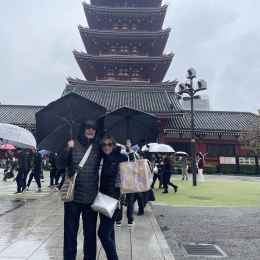
Leon is a great guide, very friendly, has perfect knowledge about the city and the country, eager to adapt to the needs of a visitor. I wish we had more time in Tokyo.Vitali, Tokyo, 2026

Table Of Contents
- At a Glance: How to Spend 1 Day in Tokyo
- Morning Strategy: Start Central and Keep the Route Tight
- Ginza at Midday: Department Stores, Design and an Easy Next Stop
- Shibuya in the Afternoon: Crossing, Hachiko and a Short City Break
- Roppongi Hills: Contemporary Art and Wide Tokyo Views
- Golden Gai at Night: Tiny Bars and a Slower Finish in Shinjuku
- Late Evening: Skip the Extra Tower and End the Day in Shinjuku
- Why This Tokyo Itinerary Works: Contrast Without the Rush
- Food Strategy: How to Eat Well in One Day
- Common Mistakes: What Can Derail One Day in Tokyo
- Practical Tips: How to Plan One Day in Tokyo
- Frequently Asked Questions: Planning 1 Day in Tokyo
- 1 Day in Tokyo: Leave Room for the City
If you only have one day in Tokyo, the temptation is to cram in as much as possible. I wouldn’t. Tokyo is too big for that, and spending half the day changing trains is a good way to remember the transport system more clearly than the city itself.
What works better is choosing a few neighborhoods that fit together and letting the day build naturally: an early start, somewhere good to eat, a mix of major sights and quieter streets, then an evening that still leaves you with enough energy to enjoy it.
This itinerary is built around that idea. You’ll see plenty, eat well, and get a feel for different sides of Tokyo without turning the day into a race. If you want to explore one part of the city more deeply, Tokyo experiences can give you more time in the neighborhoods that interest you most.
One Day. Make It Your Tokyo.
Choose the side of Tokyo you want to spend your limited time getting to know.
At a Glance: How to Spend 1 Day in Tokyo
One day in Tokyo works best when you keep the route tight and resist the urge to collect landmarks. The goal is to see a few contrasting parts of the city, eat well, and leave enough breathing room that the day still feels like Tokyo rather than a transport challenge.
- Ideal for: First-time visitors, short stays, long layovers, and travelers who want a realistic introduction to the city.
- Best approach: Choose a few areas that connect naturally rather than crossing Tokyo repeatedly.
- Start early: Morning is the easiest time to enjoy major sights before stations, streets, and attractions get busier.
- Build around neighborhoods: Combine one headline area with quieter streets, food stops, and something less obvious nearby.
- Food strategy: Keep lunch simple and local so you do not lose an hour waiting for a famous restaurant.
- Getting around: Trains and subways are usually the fastest option, but walking between nearby stops is often where the day gets more interesting.
- How much to fit in: Focus on a handful of substantial stops, with shorter walks and food stops between them.
- Good to know: Tokyo distances can look deceptively short on a map; always check actual travel time before adding another neighborhood.
- Evening: Save some energy for after dark, when Tokyo changes pace and the day feels noticeably different.
- Best mindset: Leave one part of the day unplanned. Tokyo is very good at giving you something better than the thing you were trying to schedule.
The easiest way to waste one day in Tokyo is to spend too much of it crossing the city.
Morning Strategy: Start Central and Keep the Route Tight
The easiest way to waste one day in Tokyo is to spend too much of it crossing the city. I’d start around 8 AM and keep the morning compact rather than trying to collect neighborhoods just because the train map makes them look close.
Tokyo Station is a practical starting point, especially if you are arriving by train or staying nearby. From here, you can move easily toward Asakusa, Ginza, or the Imperial Palace area without beginning the day with a complicated route.
The main rule is simple: work with Tokyo’s scale rather than against it. Group places that connect naturally, walk when the next stop is genuinely nearby, and use the train when it saves time. With only one day, a sensible route will show you far more than an ambitious one.
Asakusa in the Morning: Senso-ji Before the Crowds Build
From Tokyo Station, I’d head to Asakusa with one simple transfer rather than crossing straight to Shibuya or Harajuku. Getting there early matters more than shaving a few minutes off the route; Asakusa is much easier to enjoy before the midday crowds build.
Senso-ji is Tokyo’s oldest Buddhist temple, and around 9 AM the grounds usually feel calmer than they do later in the day. Take time to walk through Kaminarimon, follow Nakamise toward the main hall, and notice the incense, temple buildings, and people stopping to pray rather than treating it as a quick photo stop.
Nakamise Shopping Street is also an easy place to pick up something small. Ningyo-yaki, little cakes filled with sweet red bean paste, make a good first snack without turning breakfast into another scheduled stop.
Starting here gives the day useful contrast. When you’re choosing between all the things to do in Tokyo, Asakusa earns its place because it gives you temple grounds, traditional shopping streets, and one of the city’s oldest neighborhoods in a single stop. For a one-day itinerary, that balance works much better than trying to collect famous sights as quickly as possible.
Sumida River Walk: A Short Pause with Skytree Views
Instead of jumping straight onto the next train, I’d spend 15–20 minutes by the Sumida River. It is close to Asakusa, gives you a clear view toward Tokyo Skytree, and creates a useful pause before the busier parts of the day.
From Senso-ji, it is only a short walk toward the river. Around Azuma-bashi and Sumida Park, you get one of those classic Tokyo contrasts: temple-district streets behind you, Tokyo Skytree across the water, and boats moving along the Sumida below.
What I like about this stop is that it does not need to become another attraction. If you enjoy looking for hidden gems in Tokyo, the quieter streets and riverside corners around Asakusa are worth leaving a little time for, even though the river itself is hardly a secret. Take a few photos, walk along the river for a bit, then move on. In a one-day itinerary, small pauses like this are what stop the whole thing from feeling like a checklist.
Make Half a Day Feel Like Tokyo
From Asakusa’s temple streets to the food stops ahead, spend four private hours connecting the contrasts that make a short day in Tokyo worth having.
Tsukiji Outer Market: A Late-Morning Food Stop That Fits the Route
By around 10:30 AM, Tsukiji Outer Market is a good place to make food part of the itinerary rather than treating lunch as a separate event. The wholesale fish market moved to Toyosu in 2018, but Tsukiji’s outer market is still very active, with hundreds of shops selling seafood, produce, seasonings, kitchenware, and prepared food. The official market guidance also still reserves the early morning for professional buyers before the main public shopping period begins.
I’d keep it simple: try one or two things you actually want, then keep moving. Fresh sushi, tuna bowls, tamagoyaki, seafood, and other small bites are easy to find, and Tsukiji is compact enough that you can explore without losing half the day to lunch. Freshly cooked tamagoyaki is a classic quick stop if you want something small before moving on.
What makes Tsukiji work in a one-day itinerary is the mix. You can eat, browse Japanese knives and kitchen tools, and see a market that still serves professional food buyers as well as visitors. Just don’t turn it into a mission to find the “best” stall. Pick somewhere that looks good, check the queue and menu, and remember that the market asks visitors not to eat while walking; use the designated eating areas or eat in front of the shop where you bought something.
One Day Is Enough to Get Tokyo Right
Move from old Tokyo to markets, modern neighborhoods, and after-dark energy with a private local host who knows how to fit the contrasts together without rushing them.
See Tokyo in a dayGinza at Midday: Department Stores, Design and an Easy Next Stop
After Tsukiji, I’d walk to Ginza rather than jumping across the city. Tsukiji Outer Market is close enough to reach on foot, so this keeps the route compact and saves another unnecessary train ride.
Ginza is one of Tokyo’s best-known shopping districts, but you do not need to buy anything to enjoy it. The main streets mix long-established department stores, modern retail complexes, boutiques, galleries, and plenty of places to stop for coffee or something sweet.
If you want a quick food detour, head downstairs in one of the department stores. These depachika food halls are packed with bento, sweets, prepared dishes, and specialty foods, and they are easy to browse even if you are not particularly hungry.
I’d give Ginza about an hour. Walk, browse, grab something small if you feel like it, then move on. In a one-day itinerary, Ginza works best as a change of pace rather than a shopping mission.
Shibuya in the Afternoon: Crossing, Hachiko and a Short City Break
By early afternoon, I’d take the Ginza Line directly from Ginza to Shibuya. It keeps the route simple, and after a quieter morning in Asakusa and Ginza, Shibuya gives you the full modern-Tokyo contrast without adding another complicated transfer.
Shibuya Station can feel chaotic, but the signs toward Hachiko will bring you out close to the Scramble Crossing and the Hachiko statue. I’d cross once, then step back and watch it properly rather than trying to photograph it from every angle.
If you need a break, the Starbucks overlooking the crossing is still a good option. The SHIBUYA TSUTAYA branch has seating on the second floor with views over the intersection, so it works well if you want coffee and a few minutes off your feet.
I’d give Shibuya around 45 minutes to an hour. See the crossing, stop by Hachiko if you want, grab a drink, and move on before the area starts swallowing the rest of the afternoon. In a one-day itinerary, Shibuya works best as a strong hit of energy rather than a whole chapter.
See the Tokyo Behind the Famous Sights
With only one day, make the icons count. Explore Tokyo’s must-sees with a local who connects them to the streets, stories, and lesser-known places nearby.
Roppongi Hills: Contemporary Art and Wide Tokyo Views
By mid-afternoon, I’d leave Shibuya and head to Roppongi Hills. It gives the day another change of pace without adding another huge sightseeing district, and it works particularly well if you want art, architecture, or a higher view of the city.
The Mori Art Museum sits on the 53rd floor of Roppongi Hills Mori Tower and focuses on contemporary art, with exhibitions changing throughout the year. If the current exhibition interests you, give yourself time for it rather than treating the museum as something to rush through.
One floor below, Tokyo City View has an indoor observation deck about 250 meters above sea level. On a clear day, you can see landmarks including Tokyo Tower, Tokyo Skytree, and even Mount Fuji in the distance. After spending the day moving between neighborhoods, seeing Tokyo spread out beneath you helps the scale of the city finally make sense.
I’d allow around 60–90 minutes here depending on whether you visit the museum, the observation deck, or both. Check current exhibitions and admission prices before you go, since they can change. In a one-day itinerary, Roppongi Hills works best as a thoughtful afternoon stop rather than another district to conquer. From here, I’d head to Shinjuku for dinner rather than adding another stop.
Use Station Exits Like Shortcuts
Check your exit before the train arrives. At Tokyo’s biggest stations, the wrong one can put you several blocks from where you meant to be.Golden Gai at Night: Tiny Bars and a Slower Finish in Shinjuku
If you still have energy after the afternoon, I’d finish in Shinjuku rather than adding another major attraction. Golden Gai is only a few minutes from Shinjuku Station’s east side and is packed with tiny bars, many with just a handful of seats. Some are themed, some cater mainly to regulars, and others are happy to welcome visitors.
I would aim for later in the evening rather than 6 PM, because many Golden Gai bars do not open until around 8 PM. Once things get going, pick one or two places that look welcoming rather than trying to turn the night into a bar crawl. Some bars may have cover or seating charges, so check before you settle in.
The appeal here is the scale. After spending the day in temples, markets, department stores, Shibuya, and Roppongi, ending in a six-seat bar feels like a completely different Tokyo. You do not need three bars, a perfect conversation, or some secret “local” strategy for it to work.
A couple of etiquette points matter: do not drink or smoke in the street, and ask before taking photographs. Golden Gai is photogenic, but it is still a working nightlife district rather than a set.
I’d allow one to two hours here and keep the rest loose. If Golden Gai is too crowded, Shinjuku has plenty of other bars and izakaya nearby, so there is no reason to force it.
Late Evening: Skip the Extra Tower and End the Day in Shinjuku
By late evening, I would stop adding major sights. If you visited Tokyo City View earlier, you have already seen Tokyo Tower and a huge stretch of the skyline from above, so there is no real need to make another trip to Tokyo Tower or Tokyo Skytree just to tick one more landmark off the list.
After dinner and a drink in Golden Gai, stay in Shinjuku for a while instead. First-time visitors often ask, is Tokyo safe? It generally feels easy to explore after dark, but the usual city precautions still apply, particularly around busy nightlife areas. The area feels completely different at night, with illuminated signs, busy restaurants, late-night cafés, and people heading home or settling in for the evening.
This is where I’d let the itinerary finish naturally. Walk for a bit if you still have energy, grab something from a convenience store for the journey back, then head to your hotel from Shinjuku Station.
One day is never going to show you all of Tokyo. The better ending is realizing you have seen enough to understand how different its neighborhoods can feel, without spending the final hour chasing one last landmark.
Google Can’t Answer This One
A local can, in a 1-on-1 call tailored to your trip.
Why This Tokyo Itinerary Works: Contrast Without the Rush
One day is enough to get a meaningful introduction to Tokyo, but not if you treat the city like a checklist. The same approach works particularly well if you’re solo traveling in Tokyo, because you can adjust the pace without having to keep an entire group on schedule. What worked for me was choosing a route with contrast: an early temple visit in Asakusa, food at Tsukiji, a slower hour in Ginza, the energy of Shibuya, art and views in Roppongi, then dinner and nightlife in Shinjuku.
The biggest difference was keeping the journey realistic. Tokyo is enormous, so every unnecessary cross-city trip takes time away from actually experiencing the neighborhoods you came to see.
Food also deserves space in the itinerary. You do not need every meal planned around a famous restaurant; markets, department-store food halls, small restaurants, and casual stops can be just as memorable and fit much more naturally into a short visit.
Most importantly, leave some room between the major stops. A one-day Tokyo itinerary should give you a sense of the city, not leave you exhausted from trying to finish it.
If I had just one day here, I’d rather finish wanting to come back than spend the whole thing rushing toward the next station.
Food Strategy: How to Eat Well in One Day
Food is already built into this itinerary, so you do not need to plan every meal around a famous restaurant. With only one day, I’d focus on places that fit naturally into the route rather than crossing Tokyo for a reservation.
Tsukiji works well for a late-morning seafood stop, while Ginza’s depachika food halls give you plenty of options if you want something quick. Convenience stores are useful for drinks and snacks between neighborhoods, and Shinjuku gives you a huge choice of casual restaurants before the evening begins.
The main thing is to stay flexible. Pick one or two foods you really want to try, then let the rest happen as you move through the city. That gives you a good taste of Tokyo without turning the entire day into a restaurant schedule.
Common Mistakes: What Can Derail One Day in Tokyo
Tokyo is easy to get around once you understand the system, but small planning mistakes can eat into a short visit surprisingly quickly. These are the ones I would avoid.
- Trying to cover too many neighborhoods: Tokyo is much larger than it looks on a map. Four or five well-connected areas will give you a better day than constantly changing trains.
- Buying a transport pass without checking the route: The Tokyo Metro 24-hour Ticket covers Tokyo Metro lines only. It does not include JR services such as the Yamanote Line or Toei Subway lines.
- Assuming every journey needs a train: Some of the best transitions in this itinerary, including Tsukiji to Ginza, are easy enough to walk.
- Relying entirely on cards: Credit cards are widely accepted, but smaller independent businesses can still be cash-only, so keep some yen with you.
- Planning every minute: Stations take time to navigate, queues happen, and you will probably spot something you want to explore. Leave some flexibility.
- Saving all the major sights for the evening: After a full day on your feet, another cross-city trip rarely feels as appealing as it did when you planned it.
Practical Tips: How to Plan One Day in Tokyo
Tokyo is easy to navigate once you understand the transport system, but a one-day visit leaves little room for wasted journeys. A few practical choices around transport, payments, navigation, and pacing can make the whole itinerary feel much easier.
Transport and Tickets: Keep Your Route Simple
- Use a Suica or PASMO IC card for easy travel on trains and subways without buying separate tickets each time.
- Only buy a day pass if the routes you plan to use are actually covered.
- Remember that Tokyo Metro passes do not include JR services such as the Yamanote Line.
- Walk between nearby areas when it makes sense rather than taking a train for every short journey.
Cash and Payments: Keep Some Yen Available
- Cards and contactless payments are common, but some smaller restaurants, bars, and shops still prefer cash.
- There is no need to carry a large, fixed amount; just keep enough yen for smaller purchases and unexpected cash-only stops.
- Convenience-store ATMs are useful if you need to withdraw more during the day.
- Keep a few smaller notes and coins handy for temple offerings, vending machines, and small purchases.
Navigation and Language: Make Station Changes Easier
- Keep mobile data available so you can check routes and platform changes as you go.
- Use a reliable map app rather than relying only on station maps.
- Pay attention to the station exit number or name because leaving through the wrong exit can add unnecessary walking.
- A translation app with a camera function can help with menus, signs, and ticket machines.
Timing and Energy: Leave Room in the Day
- Start around 8 AM if you want enough time to see several neighborhoods without rushing.
- Wear comfortable walking shoes; even a train-heavy day in Tokyo usually involves a lot of walking.
- Leave some flexibility between stops for queues, station navigation, or places you decide to explore along the way.
- Do not schedule major attractions back-to-back all day. A coffee stop, riverside walk, or slower hour in Ginza helps keep the itinerary manageable.
Evening Transport: Know How You’re Getting Back
- Check the route back to your hotel before settling into dinner or drinks.
- Tokyo’s trains run late, but they do not operate all night.
- Avoid adding another distant attraction just because there is still time on the clock.
- If you finish in Shinjuku, allow a little extra time to navigate the station, particularly if it is your first visit.
FIVE-STAR REVIEWS

Frequently Asked Questions: Planning 1 Day in Tokyo
If you only have one day in Tokyo, a few practical questions tend to matter more than adding another attraction. These are the ones worth answering before you set out.
1. Is one day enough in Tokyo?
One day is not enough to see everything, but it is enough for a strong introduction. Focus on a few well-connected neighborhoods rather than trying to cross the entire city.
2. What is the best area to start a one-day Tokyo itinerary?
Tokyo Station is a practical starting point if you are arriving by train or staying centrally. From there, this itinerary moves naturally toward Asakusa before continuing through Tsukiji, Ginza, Shibuya, Roppongi, and Shinjuku.
3. Can you visit Tokyo during a long layover?
Yes, provided your layover leaves enough time for immigration, airport transfers, security, and returning well before your next flight. If time is tight, choose one or two neighborhoods instead of attempting a full-day route.
4. How much walking should I expect in one day in Tokyo?
Expect plenty of walking even if you use trains and subways. Large stations, markets, attractions, and neighborhood walks add up quickly, so comfortable shoes are essential.
5. What should I skip if I start running out of time?
Skip whichever stop creates the biggest detour. Tokyo is too large to justify crossing the city for one final attraction, so keep the parts of the itinerary that connect naturally and save the rest for another visit.
1 Day in Tokyo: Leave Room for the City
Tokyo is too big to understand in a single day, and that is exactly why I would not try to see everything. A good one-day itinerary is about contrast: the calm of Senso-ji in the morning, food at Tsukiji, Ginza’s polished streets, Shibuya’s energy, contemporary Tokyo in Roppongi, and an evening in Shinjuku.
What makes the day work is the pacing between those places. Keep the route sensible, eat when something looks good, and leave enough room to change your plans if a neighborhood catches your attention.
If you have more time, come back to the places you rushed past and explore them properly. If Tokyo is part of a longer trip, Japan experiences can also help you see more of the country at a slower pace. And if this really is your only day in Tokyo, finishing with a few places still on your list is much better than spending the whole day racing through them.


Ready to Plan Your Perfect Day in Tokyo?
Start your experienceOne Day in Tokyo Is Too Valuable to Spend Chasing It
See more by rushing less. Explore privately with a local host who connects the neighborhoods worth your time, leaves out the detours that aren’t, and makes space for the Tokyo you didn’t plan.
Video Call a Tokyo Local Before Your One Day Begins
Bring your arrival point, must-sees, and available hours to a one-on-one call, then get local help turning them into a realistic route without wasting half your day in transit.
Meet a Local Who Knows What’s Worth Your One Day
We’ll match you with a Tokyo host who shares your interests and knows when to take the train, when to walk, what deserves your time, and what you can happily leave for next time.