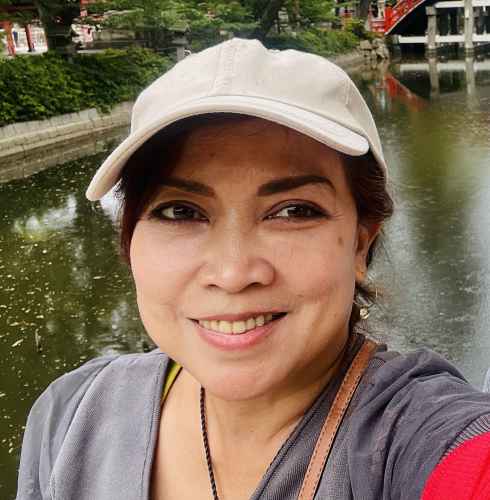
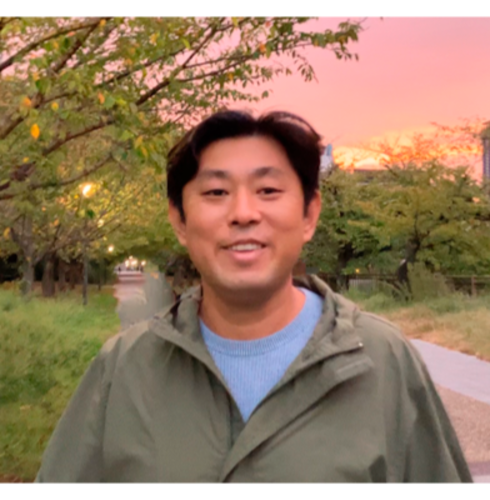
We had a great tour with Khalid! He adjusted to focus on activities the kids would enjoy and made sure we took breaks along the way. We saw so many great places in just a few hours, and he made many recommendations for additional places to go later in our trip.Connie, Osaka, 2026

Table Of Contents
- Osaka Tours by Locals at a Glance
- Why Osaka Is Better with a Local Guide
- Food, Markets, and Japan’s Kitchen: Where Local Tours Shine
- Hidden Streets, Local Markets, and Neighborhood Walks
- Osaka Castle, Temples, and the City’s Interesting History
- What a Private Osaka Tour Can Feel Like
- Best Osaka Tour Styles for Different Travelers
- How to Choose the Right Local Guide in Osaka
- Common Mistakes When Booking Osaka Tours
- Frequently Asked Questions About Osaka Tours by Locals
- How to Make Your Osaka Tour Feel Personal
Osaka is easy to enjoy on the surface. Follow the lights to Dotonbori, eat something hot from a counter, take a photo near Osaka Castle, and you will probably have a good day. But the city gets better when someone helps you read what is happening between those obvious stops. The best Osaka tours by locals do not just cover attractions. They help you understand how the city moves: where neighborhoods change character, when markets feel most alive, and which streets are worth slowing down for.

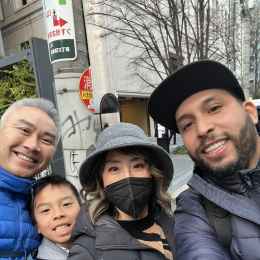
Khalid showing a young family the fun and energy of exploring Osaka
I’m Mei, an Osaka host and street photographer, and I notice the city through small things first. Handwritten menus, market chatter, old signs, narrow lanes, and the way a good food stall changes pace when regulars arrive. That is why the best Osaka tours by locals do more than move you from one attraction to another. They help you understand the rhythm of the city while you are walking through it.
If this is your first time in Japan or your first visit to Osaka, a local host can make the city feel less scattered. You can still see the famous places, but the day does not have to feel scripted. It can bend toward your appetite, your energy, your questions, and the hidden streets you would have missed on your own.
Osaka Tours by Locals at a Glance
The best Osaka tour depends on how you want the city to open up. Some travelers need an easy first day with the main attractions and classic things to do in Osaka. Others want street food, local markets, hidden streets, or a walk that leaves room for detours when something catches their eye.
- For a first day in Osaka: Start with a flexible local introduction that helps you understand the city’s layout, train stations, main districts, and where you may want to return later.
- For food and local cuisine: Go for a street food or market-focused walk through places like Kuromon Market, Namba, or Tenma, with someone who can help you separate good signs from tourist noise.
- For Osaka Castle and history: Build the route around the castle, nearby streets, and the city’s interesting history, so the stop feels like more than a photo break.
- For hidden streets and small discoveries: Follow areas like Nakazakicho, Ura Namba, or quieter lanes around busy districts, where Osaka’s texture comes through in signs, cafés, shutters, and side doors.
- For a personal, low-stress day: Book a private Osaka tour that can shift with your appetite, pace, weather, and curiosity instead of locking you into a fixed schedule.
Experience the Osaka That Happens Between the Landmarks
Explore market streets, food alleys, quieter neighborhoods, and the small details that make Osaka feel personal once you slow down enough to notice them.
Why Osaka Is Better with a Local Guide
Osaka is not hard to enjoy alone, but it is easy to skim. The city gives visitors big signals first: Dotonbori lights, Osaka Castle, crowded shopping streets, and food signs large enough to stop traffic. A local guide helps you slow down just enough to understand what sits behind that noise.
The difference is in the small adjustments. A local can tell you which side street near Namba feels better before lunch, when Kuromon Market is worth your energy, or why a quiet lane in Nakazakicho says more about everyday Osaka than another crowded photo spot. Good guided tours do not bury you in facts. They connect the obvious places to the city’s deeper habits.
For me, the best walk is never only about the route. It is about noticing when you are curious, tired, hungry, distracted, or ready to keep going. Osaka has a warm energy, but it can also be a lot on a first visit. A local host takes some of that stress out of the day, so you can enjoy the city instead of constantly checking your map.
That is where local guides can turn eating into something more memorable than a checklist.
Food, Markets, and Japan’s Kitchen: Where Local Tours Shine
Osaka’s food reputation is not just a slogan. The city eats casually, openly, and often on the move, which is part of why a food-focused Osaka tour can be so much fun. Still, the best local cuisine experiences are not only about ordering more snacks. They are about understanding where people gather, what they return for, and why certain places feel loved while others feel built for visitors.
Kuromon Market is a good example. It is famous, busy, and easy to visit on your own, but it can feel like a blur if you arrive hungry and follow the biggest signs. A good local food tour slows the market down enough to make it readable. Instead of rushing stall to stall, a host can help you notice where regulars stop, which counters feel more seasonal than performative, and when it makes sense to leave the busiest lane behind. With a local host, the market becomes easier to read. You can learn what is seasonal, where regulars still shop, and when to keep walking instead of joining a line just because everyone else has stopped.

Miki introducing guests to Osaka’s lively food culture and local flavors
I read a market by movement before I read the signs. If a vendor is joking with regulars, if someone steps aside to eat without blocking the lane, or if the same stall keeps drawing people who know exactly what to order, that tells me more than a glossy display ever will.
If you are thinking more broadly about what to eat in Japan, Osaka is a good place to start. Street food matters here, of course. Takoyaki, okonomiyaki, kushikatsu, grilled seafood, and small counter snacks are part of the city’s rhythm. But great food in Osaka is also about timing and mood: a quick bite before a longer walk, a tiny place that only makes sense after dark, or a lunch counter where the welcome is quiet but real. That is where local guides can turn eating into something more memorable than a checklist.
Hidden Streets, Local Markets, and Neighborhood Walks
The Osaka I like most often sits one turn away from the obvious route. You might be near a station, a shopping arcade, or a street full of bright signs, then step sideways and find a quiet café, an old shutter, a tiny shrine, or a row of bicycles outside a family shop. That is where a local walk starts to feel different from a standard tour. The difference is usually pacing. A local host knows when an area is worth lingering in, when a street changes mood, and when to move away from the busiest corners before the atmosphere flattens out.
Nakazakicho is one of the best places for this slower kind of discovery. Its narrow lanes, small creative shops, retro cafés, and lived-in corners show a softer side of the city without pretending to be untouched. Ura Namba has a different pull. It works especially well when the evening starts to thicken and small places fill with regulars. Tenma feels more direct, with market energy, casual counters, and streets that do not pause just because visitors have arrived.
A good Osaka tour does not need to hide from famous places or pretend every side street is one of the hidden gems in Osaka. It just needs to leave space for the parts of the city that are easy to miss. The handwritten sign. The shopkeeper who remembers faces. The alley that looks plain until the light hits the tiles. These are the details that make Osaka feel personal.
Osaka Rewards Curiosity
Some of the best parts of the city are the streets you almost walk past, the counters without lines, and the neighborhoods that only start making sense once you slow down.Osaka Castle, Temples, and the City’s Interesting History
Osaka is often introduced through food and neon, but the city has more history than that first impression suggests. A good local tour can connect the loud, modern Osaka most visitors see with the older city underneath it: castle grounds, temple streets, merchant districts, and neighborhoods shaped by trade, war, rebuilding, and everyday work.
Osaka Castle is the obvious anchor, and it is worth seeing, but not only as a photo stop. Early mornings usually feel calmer around the outer grounds, especially before tour groups compress the main approach routes. The quieter edges near the stone walls often give a better sense of scale than the central photo angles. The grounds, stone walls, moats, and views back toward the city help explain Osaka’s scale and ambition. During cherry blossom season, the castle park becomes much busier, but the outer paths and quieter edges still feel calmer earlier in the morning before the main crowds settle in. With the right context, the castle becomes less of a single attraction and more of a way into the city’s past.

Timea exploring Osaka Castle with guests during a lively day in the city
I like the castle most from the quieter edges, where the stone walls feel heavier and the city noise drops back for a moment. It is easier there to see Osaka as something built, damaged, rebuilt, and still moving.
Temples and older streets add another layer. Shitennoji (四天王寺), quiet shrines, and small neighborhood lanes show a slower Osaka that can be easy to miss if your day stays only around Namba or Dotonbori. I like this balance: a famous site, a few quieter turns, and enough explanation to make the city feel connected rather than scattered.
FIVE-STAR REVIEWS
What a Private Osaka Tour Can Feel Like
A private Osaka tour should not feel like someone is dragging you through a checklist with a flag. At its best, it feels like walking with a person who knows the city well enough to change direction without making the day fall apart.
Maybe you start with Osaka Castle because you want history, then drift toward Namba when food becomes more important than another monument. Maybe Kuromon Market is too crowded, so your host takes you through a quieter street instead. Maybe you expected temples and ended up caring more about old shopfronts, tiny bars, or the way a market wakes up around lunch.
That is often where the day starts to feel real. I have seen guests relax completely after one unplanned stop, usually something small: a coffee counter with good light, a takoyaki stand with a loud regular, or a side street they would never have chosen from a map.

Guests exploring Osaka’s lively streets during a flexible day around the city
That flexibility is the point. City Unscripted’s Osaka experiences are built around a local host, not a fixed script. The day can be tailored around your interests, appetite, pace, and travel style. For me, that is when Osaka works best: not when every minute is controlled, but when the city has room to answer back.
A Relaxed First Day in Osaka with a Local Host
A good first day in Osaka usually works best when the pace stays flexible rather than overloaded.
A relaxed route might begin around Osaka Castle in the quieter morning hours, before moving toward Kuromon Market slightly ahead of the lunch rush. From there, slower neighborhoods like Nakazakicho give the day room to breathe before the energy builds again in Namba or Ura Namba after dark.
The point is not to cover everything. It is to let the city change rhythm gradually as the day moves on.
Google Can’t Answer This One
A local can, in a 1-on-1 call tailored to your trip.
Best Osaka Tour Styles for Different Travelers
Not every traveler needs the same Osaka tour. Some people want food first, some want history, and some just want their first day to feel less confusing. The best option is the one that matches how you naturally like to explore.
- Best for first-time visitors: Start with a flexible city introduction that connects Namba, Dotonbori, Osaka Castle, and a few local streets without making the day feel rushed.
- Best for food-focused travelers: Choose a local cuisine walk through Kuromon Market, Tenma, or Ura Namba, with enough room for street food, okonomiyaki, and smaller places you would not notice alone.
- Best for history lovers: Build the route around Osaka Castle, Shitennoji, older neighborhoods, and the city’s merchant past, so the history feels tied to the streets you are walking.
- Photographers and visual travelers: Follow hidden streets, retro signs, market shutters, neon corners, and quiet cafés where the city’s texture is stronger than the postcard view.
- Families or slower travelers: Keep the schedule simple, with fewer stops, more breaks, and a host who can adjust when energy drops.
- Repeat visitors: Skip the obvious checklist and focus on neighborhoods, local markets, small galleries, side streets, and places that reveal Osaka’s unique charm more slowly.
- Travelers planning day trips from Osaka: Use the city as a base, but do not overload the schedule. Kyoto and Kobe are possible day trips, yet Osaka deserves at least one day that is not treated as a transit point.
How to Choose the Right Local Guide in Osaka
A good local guide is not just someone who can explain dates, directions, and famous sites. Those things matter, but they are only the baseline. The better test is whether the person can listen, adjust, and make the city feel easier without flattening it into a script.
Look for a host who asks about your interests before the day starts. Food, history, shopping, temples, art, local markets, hidden streets, and photography all lead to different versions of Osaka. An amazing guide will not force the same route on every guest. They will notice what you respond to and shape the walk from there.
I would also pay attention to how they talk about Osaka. If every description sounds polished and vague, be careful. Some tours rely heavily on memorized scripts and fixed stop sequences, which can make even lively neighborhoods feel strangely flat. The local guides I trust tend to have specific opinions. They know which street gets too crowded, where the light is good in the afternoon, which lunch stop is worth waiting for, and when a famous attraction needs context instead of hype. That is the difference between being shown around and actually connecting with the city.
Common Mistakes When Booking Osaka Tours
Most mistakes happen when travelers treat Osaka like a checklist. The city is easy to enjoy, but it becomes much better when you leave enough space for food, conversation, side streets, and the kind of small detours that make a day feel personal.
- Do not book only around famous attractions. Osaka Castle, Dotonbori, and Kuromon Market are worth seeing, but they work better when the route connects them to neighborhoods and local life.
- Do not choose a tour that tries to cover Osaka, Kyoto, and Kobe in a single rushed day. Osaka works better when there is enough room for neighborhoods, food stops, and small detours that are impossible to schedule precisely.
- Do not assume every “local” tour is personal. Some guided tours still follow fixed scripts, even when the word local appears in the description.
- Do not overpack the day. Trying to fit Osaka, Kyoto, and Kobe into one rushed schedule usually gives you more transit than memory.
- Do not treat Kuromon Market like a photo stop. Go with enough time to understand the market, taste properly, and move past the busiest stalls when needed.
- Do not ignore your own travel style. A great Osaka tour for food lovers may not suit someone who wants temples, art, shopping, or slower neighborhood walks.
- Do not choose the cheapest option if flexibility matters. A lower price can make sense for simple sightseeing, but not if you want a route tailored around your interests and pace.
Frequently Asked Questions About Osaka Tours by Locals
1. Are Osaka tours by locals worth it?
Yes, if you want more than basic sightseeing. A local host can help you understand neighborhoods, food culture, timing, and hidden streets that are easy to miss on your own.
2. What should I do on my first day in Osaka?
Start with a flexible route that gives you the city’s shape: Osaka Castle in the morning, Namba later in the day, and at least one quieter neighborhood where the pace slows down.
3. Is Osaka better for food tours or history tours?
Osaka is excellent for both, but food is often the easiest doorway into the city. The strongest tour connects local cuisine with history, markets, merchant culture, and everyday street life.
4. Can I visit Osaka Castle, Dotonbori, and Kuromon Market in one day?
Yes, but it works best with a flexible itinerary. Those stops are possible in one day, but you need enough breathing room for food, walking, crowds, and side streets.
5. What is the difference between a local guide and a standard tour guide?
A standard tour guide often follows a set route. A local guide can shape the walk around your interests, explain the mood of different neighborhoods, and adjust the day when something better appears.
How to Make Your Osaka Tour Feel Personal
The best Osaka tour does not feel like a route someone printed for everyone. It feels like a day that starts with a plan, then makes room for the city to interrupt in the right ways: a stall that smells too good to pass, a side street with old tiles, a shopkeeper’s quick joke, or a quiet moment after the noise of Dotonbori. Usually those moments happen slightly away from the largest crowds, once the pace becomes less about sightseeing and more about noticing.

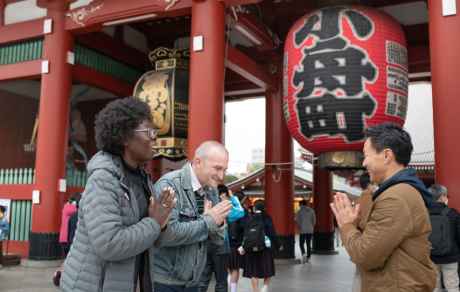
Maria showing guests a more personal and relaxed side of Osaka Castle
That is the Osaka I would want you to remember. Not only the famous places, although they have their place, but the details that make the city feel close: the market rhythm, the food counters, the hidden streets, the old signs, the small decisions that turn a walk into something personal. A good local host helps you find those moments without forcing them. That is how an Osaka tour becomes one of those Japan experiences that feels personal rather than simply planned.

Ready to Plan Your Perfect Day in Osaka?
Start your experienceSee the Osaka Most Visitors Walk Past
Explore food alleys, hidden streets, local markets, and neighborhoods that make more sense once someone helps you read the city properly.
Want Help Planning Your Time in Osaka?
Talk through neighborhoods, food spots, markets, hidden streets, and how to shape a more flexible Osaka experience around your interests.
Meet the Locals Who Make Osaka Unforgettable
Explore the city with a friendly host who knows Osaka inside out and tailors your day to what you love most.