Private Tours Entirely Designed Around You
See all private tours
No Groups. No Scripts. Just Your Day.
See all private tours
City Unscripted

Japan for First Timers: A Practical Travel Guide (2026)

Written by Yuji Ito, Guest author
for City Unscripted (private tours company)
Published: 29/12/2025
Yuji Yuji

About author

Yuji’s Tokyo is laid back and well chosen. He finds places to eat, shop, and slow down, so you can enjoy the city without rushing.

Table Of Contents

  1. Planning Your First Trip to Japan
  2. Getting Around Japan for the First Time
  3. Essential Tools for First-Time Visitors
  4. Cultural Etiquette That Matters
  5. Seasonal Considerations for First Timers
  6. Where to Go on Your First Japan Trip
  7. Food culture in Japan operates differently...
  8. Planning Your First Japan Itinerary
  9. What First-Time Visitors Get Wrong
  10. Budgeting for Your First Japan Trip
  11. Safety and Health Considerations
  12. Frequently Asked Questions
  13. Starting Your Japan Journey

I moved to Tokyo five years ago from Okinawa, and I still remember standing in Shibuya Station during my first week, completely lost despite having Google Maps open. That moment taught me something important: Japan experiences aren't difficult for first timers, but it does reward a bit of preparation.

The country runs on systems that make sense once you understand them. Trains are on time, convenience stores solve nearly every problem (they're truly convenient!), and people genuinely want to help even when language becomes a barrier.

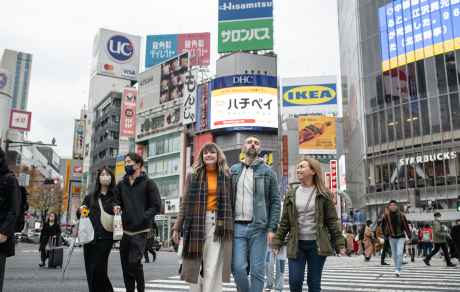
People walking along a busy Tokyo street with Japanese signage

People walking along a busy Tokyo street with Japanese signage

I've hosted dozens of first-time visitors through City Unscripted, and the ones who enjoy themselves most aren't necessarily the most experienced travelers. They're the ones who arrive with realistic expectations and a willingness to adapt for a memorable Japan experience.

This guide covers what actually matters for first-timers planning their trip. I’m skipping the generic advice you’ll find in most guidebooks and focusing on the practical details that make a difference between feeling overwhelmed and feeling confident.

Planning Your First Trip to Japan

Three decisions shape everything before you book flights: when to go, visa requirements, and which airport to use. Getting these right saves money and prevents frustration later.

Deciding When to Visit Japan

Your timing shapes everything about your trip. I recommend avoiding Golden Week (late April to early May) and the week around New Year's. These major holidays bring hotel prices that triple, trains that fill up weeks in advance, and popular sites that become genuinely uncomfortable.

Cherry blossom season draws massive crowds but offers something genuinely special. Late March through early April brings Japan's most famous natural spectacle, with trees blooming in waves from south to north. If you're set on seeing cherry blossoms, book accommodation six months ahead and expect to share every viewing spot with hundreds of others.

Quiet garden path in Japan during autumn, with red and gold leaves and a calm atmosphere

Quiet garden path in Japan during autumn, with red and gold leaves and a calm atmosphere

Summer (June through August) brings heat and humidity that surprises most visitors. Typhoon season runs from June through October, with September being the peak month. I've experienced three typhoons since moving here, and in my experience, they typically disrupt trains and flights for 24 to 48 hours before passing.

My favorite time for first-time visitors is late October through November. The weather stays mild, autumn colors rival cherry blossoms for beauty, and major tourist sites feel manageable. March and April work well if you skip the peak cherry blossom weeks.

Understanding Japan Visa Requirements

Many visitors can enter Japan visa-exempt for short stays (often up to 90 days, depending on nationality). Rules vary by passport and purpose of travel, so check official guidance before you book (your embassy/consulate and Japan’s official government guidance are the safest sources).

Passengers waiting inside a Japanese international airport terminal

Passengers waiting inside a Japanese international airport terminal

Keep your passport valid for at least six months beyond your planned departure date. Immigration officers may ask to see proof of onward travel, so have your return ticket or next-destination booking easy to access on your phone (I keep a folder in my email with all travel confirmations).

The entry process at Haneda or Narita typically takes 20–45 minutes in normal conditions. Many travelers complete immigration and customs in advance using Visit Japan Web and show a QR code on arrival. Some flights still use paper forms. If you’re using paper forms, fill them out completely and accurately to avoid delays at immigration.

Choosing Between Haneda Airport and Narita Airport

Both airports serve Tokyo, but Haneda sits much closer to the city center. If your flight costs within $100 either way, choose Haneda. The train journey takes 30 minutes versus 60 to 90 minutes from Narita.

Narita handles more international flights and sometimes offers better prices. The Narita Express train runs directly to major train stations in Tokyo, Shibuya, and Shinjuku. It costs around ¥3,000 and takes 60 minutes to reach central Tokyo. Budget buses cost half that but take twice as long.

From Haneda, the Tokyo Monorail or Keikyu Line reach central areas in 15 to 30 minutes for under ¥500. Most major hotels sit within one transfer of these lines.

If you're flying domestically after arriving internationally, Haneda makes transfers significantly easier. The domestic and international terminals connect directly.

A Few Private Experiences to Anchor Your First Japan Trip

Start in Tokyo, Kyoto, or Osaka - your host matches your pace and keeps the day flexible.

Your Perfect First Day in Tokyo: Icons, Hidden Gems & Local Tips City Essentials: First Day

Your Perfect First Day in Tokyo: Icons, Hidden Gems & Local Tips

5 (640)
3 hours
See details

Begin your Tokyo journey with iconic sights, hidden gems, and expert tips from your host, making the city feel familiar from day one.

Eat Your Way Through Osaka’s Kitchen: A Street Food Lover’s Dream Local Food & Drink Tastings

Eat Your Way Through Osaka’s Kitchen: A Street Food Lover’s Dream

5 (157)
3 hours
See details

Eat like a local in Japan’s street food capital, from Dotonbori’s neon stalls to Namba’s hidden gems—sizzling takoyaki, crispy kushikatsu & more.

Half day in Magical Kyoto Flexible Half-Day Discovery

Kyoto, Your Way: A Personalized 4-Hour Exploration

5 (764)
4 hours
See details

Shape your half-day in Kyoto with iconic landmarks, hidden gems, and serene paths—crafted by your local host to match what excites you most!

Day trip to Nara: Japan's old capital Day Trips & Local Escapes

Day trip to Nara: Japan's old capital

5 (97)
9 hours
See details

See some of Japan's most spectacular temples and gardens and snap a few shots with the deer roaming around in ancient Nara on a day trip from Kyoto

Getting Around Japan for the First Time

Transportation makes or breaks a Japan trip. Understanding the rail pass versus IC cards decision, how bullet trains work, and basic station navigation eliminates most travel stress.

Japan Rail Pass vs IC Cards

The JR Pass works for visitors planning multiple cities. It covers all JR train lines, including most bullet train routes between major cities. A seven-day pass can pay for itself depending on your route if you're traveling from Tokyo to Kyoto and back, plus a few day trips, but prices and coverage change, so always calculate your actual journeys before buying. This can be good value on multi-city routes. This can be good value on multi-city routes, but it depends entirely on your itinerary. Always price out your trips first.

Here's what I tell everyone: calculate your actual train routes before buying. If you're staying primarily in one city with maybe one round trip to another, skip the Japan Rail Pass and use IC cards instead.

Suica and PASMO IC cards held inside a busy Japanese train station platform

Suica and PASMO IC cards held inside a busy Japanese train station platform

IC cards (Suica or Pasmo) work like rechargeable travel cards. You tap them at station gates and on buses throughout the country. Load them at any convenience store or train station. I keep ¥5,000 on mine and reload when it drops below ¥1,000.

Most people buy the JR Pass online before arriving. You’ll collect and activate it at a JR-designated counter in Japan (sometimes using an exchange order, depending on the seller). Allow 30–60 minutes at major stations in peak periods.

Navigating Bullet Train Travel

The Shinkansen (bullet train) connects all major cities quickly and comfortably. Reserved seats cost slightly more than unreserved but guarantee you a space during busy periods. I always reserve seats for trips during weekends or holidays.

Unreserved cars fill up on a first-come basis. Arrive at the platform 15 minutes early and line up in the marked zones on the floor. The trains run exactly on time, so if it says 10:06 AM, it departs at 10:06 AM.

Interior of a Shinkansen bullet train with reserved seating and passengers traveling between major Japanese cities

Interior of a Shinkansen bullet train with reserved seating and passengers traveling between major Japanese cities

Each car has overhead racks for large luggage and small spaces at the ends for suitcases. If you're traveling with big bags, reserve seats near the end of the car where storage is more spacious.

The Nozomi and Mizuho trains run fastest but aren't covered by the standard Japan Rail Pass (you can add them with a surcharge). The Hikari and Sakura trains take 15 to 30 minutes longer and cost the same with your pass.

Using Google Maps and Local Trains

Google Maps works perfectly for train navigation in Japan. It shows exactly which platform to use, where to transfer, and how much the journey costs. Download offline maps for your main cities before relying on pocket wifi.

Local trains in Tokyo, Osaka, and other big cities operate on color-coded lines. The Yamanote Line (green) circles central Tokyo and connects to nearly everything. Learn your nearest Yamanote station first.

Travelers using ticket machines and reading a subway map in a Japanese train station

Travelers using ticket machines and reading a subway map in a Japanese train station

Station names appear in both Japanese and English at major stops. Smaller stations sometimes show only Japanese, but Google Translate's camera function reads signs instantly.

Peak hours (7:30 AM to 9:30 AM and 5 PM to 7 PM) bring genuine crowds. I avoid these times when possible, especially with luggage.

Reading Train Station Signs and Etiquette

Japanese train stations mark everything clearly once you understand the system. Platform numbers appear in large numerals. Line names show in both Japanese and English at major train stations. Transfer directions point clearly toward connecting lines.

Stand to the side of the doors when they open. Let everyone exit before boarding. On escalators, stand on the left in Tokyo and on the right in Osaka. This confuses everyone at first.

Keep your voice down on trains. Phone conversations are considered rude, and most locals keep their phones on silent. I've taken hundreds of train rides and rarely hear phones ringing.

Bilingual train station signs in Japan guiding commuters to exits and platforms

Bilingual train station signs in Japan guiding commuters to exits and platforms

Eating on local trains is generally avoided, though it's perfectly acceptable on bullet trains for long journeys. Drinking non-alcoholic beverages is fine anywhere.

Priority seating sits at each end of most cars. Offer these seats to elderly passengers, pregnant women, or anyone who appears to need them more than you.

Explore Tokyo with a local host - private, flexible, and tailored to you

A local can help you have fun without rushing or locking you into a rigid route.

Your Personalized 4-Hour Tokyo Discovery: Explore, Taste & Wander Flexible Half-Day Discovery

Tokyo, Your Way: A Personalized 4-Hour Exploration

5 (999)
4 hours
See details

Experience Tokyo your way—where ancient temples meet neon-lit streets. Your local host curates every stop to reflect your unique interests.

Discover Your Tokyo: A Full Day, Your Way Flexible Full-Day Discovery

Discover Your Tokyo: A Full Day, Your Way

5 (687)
8 hours
See details

From ancient shrines to buzzing backstreets, explore Tokyo at your pace. Your host curates a seamless day shaped entirely around your interests.

Eat Like a Tokyoite: Your 3-Hour Izakaya Crawl in Nakano Local Food & Drink Tastings

Eat Like a Tokyoite: Your 3-Hour Izakaya Crawl in Nakano

5 (226)
3 hours
See details

Explore Nakano's lively backstreets and hidden izakayas on a tailored food adventure that reveals Tokyo's authentic culinary soul.

Kyoto’s Izakaya Experience: A Taste of Japanese Social Dining Local Food & Drink Tastings

Kyoto’s Izakaya Experience: A Taste of Japanese Social Dining

5 (71)
3 hours
See details

Discover Kyoto’s izakaya culture, where locals gather over shared plates, drinks, and conversation, with a tailored experience crafted to your tastes.

Essential Tools for First-Time Visitors

Three tools solve most practical problems in Japan: pocket wifi for navigation, cash for transactions, and Google Translate for communication. Set these up properly during your first day.

Setting Up Pocket WiFi or Data

Pocket wifi devices provide reliable internet throughout your trip. Pick them up at the airport or have them delivered to your hotel. They cost ¥500 to ¥1,000 per day and support multiple devices. This is one of those travel tips that makes everything else easier.

I prefer pocket wifi over international phone plans for travel in Japan. The connection stays strong in most major cities and tourist areas. It drains the battery quickly, so carry a portable charger.

Pocket WiFi device and portable charger

Pocket WiFi device and portable charger

Rental companies include return envelopes in the package. Drop them at any post box before your flight home. If you forget, the company typically charges a small late fee but manages the return logistics.

SIM cards work if you have an unlocked phone. Major convenience stores sell tourist SIM cards with data packages starting around ¥3,000 for two weeks. These limit you to one device but take up less pocket space than wifi units.

Train stations sometimes have free wifi, but it requires registration and works inconsistently. Don't rely on it for navigation.

Getting Cash and Understanding Japanese Yen

Japan runs on cash more than most visitors expect. Many restaurants, especially smaller ones, don't accept cards. Most shops in tourist areas now take cards, but neighborhood spots remain cash-only. I keep at least ¥30,000 in cash at all times when traveling.

7-Eleven, FamilyMart, and Lawson convenience stores have ATMs that accept international cards. These work 24 hours and charge minimal fees. Post office ATMs also accept foreign cards and often have better exchange rates than airport currency exchanges.

International ATM inside a Japanese convenience store used by travelers to withdraw yen with foreign cards

International ATM inside a Japanese convenience store used by travelers to withdraw yen with foreign cards

Most major banks in Japan don't accept foreign ATM cards. Stick to convenience stores and post offices for reliable access to cash.

The Japanese yen comes in these denominations: ¥1,000, ¥5,000, and ¥10,000 bills are standard. Coins include ¥1, ¥5, ¥10, ¥50, ¥100, and ¥500. The ¥5 and ¥50 coins have holes in them, which helps distinguish them by feel.

Tipping doesn't exist in Japan. Leave money on the table at a restaurant, and servers will chase you down thinking you forgot it. Service charges are included in prices.

Using Google Translate Effectively

Google Translate's camera function solves most menu and sign confusion. Point your phone at text, and it translates instantly. This works better than I expected when I first arrived.

Download the Japanese language pack for offline use. It takes up about 50MB and works without an internet connection.

The conversation mode lets you speak into your phone and plays back translations. Most Japanese people appreciate the effort, though be prepared for varying English abilities among locals.

Using Google Translate camera to translate Japanese product labels in a convenience store

Using Google Translate camera to translate Japanese product labels in a convenience store

Many restaurants display plastic food models in windows. If menus confuse you, take a photo of the model and show it to your server. This method has saved me countless times with visitors who don't read any Japanese.

Convenience stores often have English instructions on ATMs and ticket machines. Look for a small flag icon to switch languages.

Japanese culture emphasizes not causing trouble for others.

Cultural Etiquette That Matters

Japanese etiquette focuses on not inconveniencing others. A few key behaviors matter far more than memorizing dozens of rules.

Understanding Japanese Etiquette Basics

Japanese culture emphasizes not causing trouble for others. This principle guides most etiquette rules. Keep noise down in public spaces. Don't eat while walking on busy streets. Clean up after yourself completely.

Travelers bowing politely while greeting a local at the entrance of a Japanese home

Travelers bowing politely while greeting a local at the entrance of a Japanese home

Bowing serves as a greeting, thanks, and apology. A slight nod works fine for casual situations. You'll figure out the gradations naturally after a few days.

Remove shoes when entering homes, some restaurants, temples, and traditional accommodations. Look for a step up or shoe racks as signals.

Navigating Public Behavior Expectations

The Japanese people value quiet in public transportation. Conversations happen in low voices. Phone calls are rare and brief. Some trains have cars where talking is explicitly discouraged during certain hours.

Don't blow your nose loudly in public. Sniffling is more acceptable than honking into a tissue. If you need to blow your nose, do it quietly or step away briefly.

Eating while walking appears more in tourist areas these days, but most locals still avoid it. If you buy street food, eat it near the stall rather than carrying it down the street.

Quiet Japanese commuter train with passengers sitting silently, reflecting public transport etiquette in Japan

Quiet Japanese commuter train with passengers sitting silently, reflecting public transport etiquette in Japan

Garbage bins are surprisingly rare in public. Convenience stores have trash bins outside, or carry a small bag to hold trash until you find one. Littering is strongly frowned upon.

Public drinking is legal and common, but public drunkenness is not. You'll see salarymen fairly drunk on trains, but they stay relatively quiet and contained.

Managing Language Barrier Situations

English ability varies dramatically. Tokyo and Osaka have more English speakers than smaller cities. Tourist areas adapt to foreign visitors better than residential neighborhoods. Most locals understand more English than they feel comfortable speaking, so patience helps.

Learn these basic phrases: "Sumimasen" (excuse me/sorry), "Arigatou gozaimasu" (thank you very much), "Konnichiwa" (good afternoon), and "Konbanwa" (good evening). Good evening gets used from around 6 PM onward. Most locals appreciate when visitors attempt even basic Japanese.

Point at menu items or photos when ordering. Most restaurants understand this perfectly well. Some have tablets or picture menus specifically for international guests.

Traveler using a translation app to communicate with a local in Japan, showing how to manage language barriers

Traveler using a translation app to communicate with a local in Japan, showing how to manage language barriers

Many locals know more English than they're comfortable speaking. Written communication sometimes works better than spoken. Keep a small notebook for writing down addresses or questions.

Station staff and police officers are generally helpful despite language barriers. They'll make genuine efforts to assist you, often calling colleagues who speak English.

What the 5-Minute Rule in Japan Means

The "5-minute rule" refers to being precisely on time. If a meeting or reservation is set for 2 PM, that means 2 PM, not 2:05 PM. Trains leave exactly on schedule, tours start when stated, and restaurants hold reservations for only short windows.

I build in buffer time for everything. If a train arrives at 3:15 PM and I need to meet someone at 3:30 PM, a 10-minute walk away, I consider that too tight. Fifteen minutes minimum for connections has saved me multiple times.

This punctuality expectation extends to daily life. Delivery times are accurate within minutes. Restaurant reservations matter. If you're going to be late, call ahead even for a few-minute delay.

Want Your First Japan Trip to Feel Easier From Day One

Explore Japan with a local host on a private experience tailored to your pace—icons, hidden gems, or a mix of both.

See private tours

Seasonal Considerations for First Timers

Japan's seasons dramatically affect crowds, prices, and what you can actually do. Cherry blossoms attract millions, summer brings typhoons, and winter offers the clearest mountain views.

Timing Your Visit Around Cherry Blossom Season

Cherry blossom forecasts come out in late January. Blooms typically peak in late March through early April, starting in the south and moving north over several weeks. Tokyo usually hits peak bloom in early April.

The actual bloom period lasts seven to ten days per location. If you're visiting specifically for cherry blossoms, build flexibility into your plans. A week early or late makes a dramatic difference.

I've taken visitors to the best cherry blossom spots in Tokyo during peak season, and the crowds genuinely overwhelm some people. Ueno Park fills with thousands of visitors doing hanami (flower viewing parties). Arrive early morning if you want decent spots.

Cherry blossoms in bloom at Yoyogi Park, Tokyo, with locals relaxing on benches during hanami season in early spring

Cherry blossoms in bloom at Yoyogi Park, Tokyo, with locals relaxing on benches during hanami season in early spring

Kyoto's cherry blossoms offer more variety with temple grounds and traditional settings. Osaka's cherry blossom viewing centers around Osaka Castle and along the rivers. The best spots in Osaka include several parks that locals favor over the main castle grounds.

Plum blossom season comes earlier, in late February through March. These pink and white flowers bloom before cherry blossoms and attract far fewer tourists.

Dealing with Heat, Humidity, and Typhoon Season

Summer humidity in Japan surprises everyone on their first trip. The air feels heavy from June through early September. Temperatures reach 30°C to 35°C regularly, but the humidity makes it feel much hotter.

Carry a small towel for wiping sweat. You'll see Japanese people doing this constantly during the summer. Convenience stores sell them specifically for this purpose.

Air conditioning runs aggressively in buildings and trains. The temperature difference between outside and inside can feel shocking. I carry a light long-sleeve shirt during the summer months.

Pedestrians in Japan using umbrellas on a hot summer day, showing how locals manage heat, humidity, and seasonal weather

Pedestrians in Japan using umbrellas on a hot summer day, showing how locals manage heat, humidity, and seasonal weather

Typhoon season peaks in September but runs from June through October. These storms typically give several days' warning. When a typhoon approaches, trains stop running, flights get canceled, and outdoor attractions close. Hotels rarely offer refunds for weather-related cancellations, but they're understanding about extending stays.

Check weather forecasts daily during typhoon season. If a major storm is tracking toward your location, adjust plans early rather than hoping it will pass.

Finding Winter and Off-Season Advantages

Winter travel (December through February) offers clear skies, fewer crowds, and better hotel rates. Tokyo rarely sees snow, while Kyoto gets occasional dustings. Northern areas and mountain regions receive substantial snowfall.

Mount Fuji views are clearest in winter. The mountain hides behind clouds most summer days. January and February provide the best visibility.

Clear winter view of snow-covered Mount Fuji, highlighting the benefits of off-season travel in Japan

Clear winter view of snow-covered Mount Fuji, highlighting the benefits of off-season travel in Japan

Heating in Japanese buildings can feel insufficient to visitors from very cold climates. Many traditional buildings have limited heating. Pack layers and be prepared for cooler indoor temperatures than you might expect.

Hot springs (onsen) become particularly appealing in winter. The contrast between cold air and hot water creates one of Japan's best seasonal experiences.

Off-season travel (late January through early March, late May through June, excluding Golden Week, and late September through October) provides the best balance of weather, prices, and manageable crowds.

Pick a season for ease, not hype

If you want the simplest first trip, aim for late Oct–Nov (mild weather, fewer crowds). If you’re coming for cherry blossoms, book stays early and build flexibility—peak bloom shifts fast, and the busiest weeks feel intense.

Where to Go on Your First Japan Trip

Japan's most popular cities each serve different purposes for first-timers. Tokyo delivers modern energy and infrastructure. Kyoto provides traditional culture and temples. Osaka offers food and friendliness. Understanding what each city brings helps you plan effectively.

Tokyo for First Time Visitors

Tokyo works well as a first stop because it offers the most English signage, international food options, and tourist infrastructure. The city is huge but manageable once you understand its neighborhood structure.

Shibuya and Shinjuku represent modern Tokyo with neon, shopping, and nightlife. Asakusa shows traditional architecture around the Senso-ji Temple. Harajuku and Omotesando blend youth culture with high-end shopping. Beyond these well-known areas, there are many hidden gems in Tokyo that offer authentic neighborhood experiences that most visitors miss.

The city's size means you'll spend time on trains between areas. Plan to explore two or three neighborhoods per day at most.

Quiet Tokyo neighborhood street at sunset with pedestrians walking past local shops

Quiet Tokyo neighborhood street at sunset with pedestrians walking past local shops

Tokyo's food scene can overwhelm first-timers with its sheer variety. From standing sushi bars to Michelin-starred restaurants, knowing what to eat in Tokyo helps you navigate choices without missing the exceptional options.

Evening entertainment spans everything from traditional izakayas to observation decks.

Day trips from Tokyo include Nikko, Kamakura, and the Fuji Five Lakes. For a comprehensive overview of both city attractions and nearby excursions, consider exploring with a host for things to do in Tokyo and the surrounding areas.

Kyoto's Traditional Appeal

Kyoto served as Japan's permanent capital for over a thousand years until the government moved to Tokyo in 1868. That history shows in the thousands of temples, shrines, and traditional wooden buildings still standing.

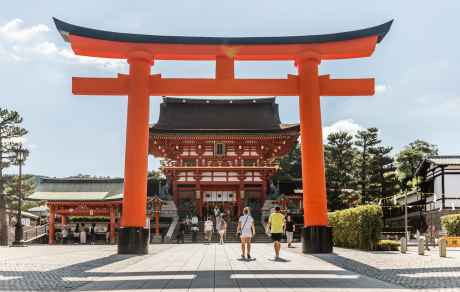
The Golden Pavilion (Kinkaku-ji) attracts the most tourists and lives up to its reputation despite the crowds. Fushimi Inari Shrine, with its thousands of orange torii gates climbing the mountainside, offers one of Japan's most distinctive sights.

Traditional street in Kyoto’s historic district at dusk, with wooden machiya houses

Traditional street in Kyoto’s historic district at dusk, with wooden machiya houses

Traditional geisha districts in Gion come alive in the evening when geiko and maiko walk between appointments. You might glimpse them, but chasing or photographing them inappropriately is strongly discouraged.

Kyoto Station serves as a transport hub connecting the city to Osaka and Tokyo. The station building itself is worth exploring for its architecture and views from the top floor.

Book tours in advance for temple visits and traditional experiences, because popular sites enforce capacity limits during peak seasons.

Osaka's Food and Energy

Osaka's identity centers on food and straightforward, friendly attitudes. The city feels less formal than Tokyo, with more open street life and late-night energy.

Dotonbori at night with illuminated signs reflecting in the canal, Osaka

Dotonbori at night with illuminated signs reflecting in the canal, Osaka

Dotonbori, with its neon signs and canal, is Osaka's entertainment heart. The area is filled with restaurants, street food stalls, and shopping. Come hungry and walk slowly to take in all the options.

Osaka Castle sits in a large park that offers cherry blossom viewing in spring and pleasant walking year-round. The castle is a concrete reconstruction inside, but the exterior and grounds remain impressive.

Osaka's food includes takoyaki (octopus balls), okonomiyaki (savory pancakes), and kushikatsu (fried skewers). Don't leave without trying all three. Many restaurants specialize in just one dish and perfect it over generations.

I suggest you learn more about things to do in Osaka with a host to experience the city's food culture with people who know the best spots.

Lesser-Known Cities Worth Considering

Nara makes a perfect day trip from Osaka or Kyoto. Deer roam freely in Nara Park and bow to visitors who have food. Todai-ji Temple houses a massive bronze Buddha that impresses even after seeing hundreds of temples.

Deer bowing for food in Nara Park, Japan, as visitors walk through the temple grounds on a rainy day

Deer bowing for food in Nara Park, Japan, as visitors walk through the temple grounds on a rainy day

Hiroshima carries obvious historical weight from the atomic bombing, but the city has rebuilt itself completely. The Peace Memorial and Museum presents that history soberly and effectively. The city itself is modern and pleasant, with good food and friendly residents.

Hakone sits between Tokyo and Mount Fuji, offering hot springs, mountain views, and art museums. It works well as a two-day break from big cities and intense sightseeing.

Takayama in the Japanese Alps preserves traditional wooden buildings and holds one of Japan's most beautiful morning markets. The city feels genuinely old-world charm rather than reconstructed history. Like many smaller cities in Japan, it offers a different pace from Tokyo and Osaka.

Nobu was so thoughtful to make the day personalized to our interests. We got to see so much of Tokyo. He was lovely! Mana, Tokyo, 2025

Food culture in Japan operates differently...

Food culture in Japan operates differently from most countries. Restaurant systems, eating etiquette, and dietary navigation all require specific knowledge.

Japanese food emphasizes seasonality, freshness, and precise preparation. Most restaurants specialize in one type of dish rather than offering huge menus. This focus produces exceptional quality within a narrow range.

Presentation matters as much as taste. Even convenience stores arrange prepared foods with care.

Traditional Japanese breakfast with grilled fish, rice, miso soup, and side dishes served on trays at a local restaurant

Traditional Japanese breakfast with grilled fish, rice, miso soup, and side dishes served on trays at a local restaurant

Navigating Restaurant Experiences

Ticket machines at entrances confuse first-time visitors, but make ordering simple once you understand the system. Insert money, press the button for your desired item, and hand the ticket to the staff. Many machines have English options.

Some restaurants seat you at the entrance and take orders immediately. Others show you to a table first. Wait for direction rather than assuming you know the system.

Japanese restaurant ticket vending machine with menu buttons and prices, showing how customers order meals before seating

Japanese restaurant ticket vending machine with menu buttons and prices, showing how customers order meals before seating

Wet towels (oshibori) appear at most restaurants. Use them for your hands before eating, not during the meal or on your face.

Sharing dishes is less common in Japan than in other Asian countries. Most meals come as individual sets rather than family-style portions. If you want to share, order accordingly and ask for extra plates.

Water and tea arrive free at all restaurants. You'll rarely need to ask. Some places have self-service water stations.

Say "Gochisousama deshita" (thank you for the meal) when you finish and leave. This shows appreciation more than any tip could.

Must-Try Dishes for First Timers

Ramen varies by region but always includes noodles in broth with various toppings. Tokyo-style uses soy-based broth. Tonkotsu ramen from Kyushu features pork bone broth. Order by pointing at pictures or asking for recommendations.

Sushi ranges from conveyor belt restaurants where plates cost ¥100 to ¥500 each, to high-end establishments where omakase (chef's choice) runs ¥10,000 and up. Both offer authentic experiences at different price points.

Casual Japanese izakaya meal with yakitori skewers, fried chicken, small shared plates, and drinks on a wooden table

Casual Japanese izakaya meal with yakitori skewers, fried chicken, small shared plates, and drinks on a wooden table

Tempura involves seafood and vegetables battered and fried. Eat it immediately while hot, dipping in the provided sauce or with salt. The batter should be light and not greasy.

Okonomiyaki (savory pancakes) are an Osaka specialty but available throughout Japan. The batter includes cabbage, various proteins, and gets topped with sauce, mayo, bonito flakes, and seaweed powder.

Yakitori (grilled chicken skewers) comes in many cuts, including organs and skin. Order a variety and try things you might not normally choose. Most skewers come pre-seasoned, but salt and tare (sauce) are available.

Shopping at Convenience Stores

Japanese convenience stores solve nearly every problem. They sell decent meals, snacks, drinks, umbrellas, basic clothing, toiletries, and phone chargers. ATMs work 24 hours. Bathrooms are usually accessible.

7-Eleven, FamilyMart, and Lawson are the major chains. Quality stays consistent across locations. Most shops have microwaves for heating purchased items and hot water dispensers for cup noodles.

Prepared meals and onigiri displayed in a Japanese convenience store refrigerator, showing bento boxes, rice balls, and ready-to-eat food options

Prepared meals and onigiri displayed in a Japanese convenience store refrigerator, showing bento boxes, rice balls, and ready-to-eat food options

Onigiri (rice balls) make excellent quick meals. They come in dozens of varieties. The seaweed wrapping stays separate until you unwrap it, following the instructions on the package.

Prepared bentos (boxed meals) range from basic to elaborate. Check the date sticker and don't judge quality by appearance. Even the simplest bento delivers decent flavor.

Pay at the counter. Some stores now have self-checkout machines with English options. Staff will heat items if you ask, though pointing at the microwave usually communicates this clearly enough.

Dietary Restrictions and Allergies

Vegetarian options exist, but require more effort than in some countries. Many dishes contain fish-based dashi (stock) even if they appear vegetarian. Communicate restrictions clearly and repeatedly.

"Bejitarian" (vegetarian) and "bi-gan" (vegan) are recognized terms, though understanding varies. Pointing to ingredient cards or using a translation app helps clarify.

Halal food availability is growing in major cities. Apps and websites list halal-certified restaurants. Some areas have dedicated halal restaurants, particularly in Tokyo.

Gluten-free eating presents challenges since soy sauce contains wheat. Tamari (wheat-free soy sauce) exists but isn't common. Many restaurants cannot guarantee cross-contamination prevention.

For severe allergies, carry cards written in Japanese explaining your restrictions. Hotels can help create these. Staff take allergies seriously once they understand them.

Planning Your First Japan Itinerary

Most first-timers struggle with how many cities to visit and how many days to allocate. The right structure depends on your total trip length and travel style.

How to Structure a Seven to Ten-Day Trip

A week's trip gives enough time to experience two or three cities without feeling rushed. Most first-time visitors choose Tokyo and Kyoto, adding Osaka or day trips from those bases. Your travel plans should prioritize quality over quantity.

Days one and two in Tokyo help you adjust to jet lag while exploring the city. Focus on walkable neighborhoods rather than trying to cover everything. Asakusa to Ueno makes a good first day, with Shibuya and Harajuku on day two. This first-week approach lets you settle in gradually.

Travellers and locals crossing Shibuya Crossing in Tokyo, illustrating the energy of a first-time Japan itinerary

Travellers and locals crossing Shibuya Crossing in Tokyo, illustrating the energy of a first-time Japan itinerary

Days three through five in Kyoto allow proper exploration of temples and traditional areas. Three full days feels right. Add a day trip to Nara if you want to see more traditional culture.

Days six and seven return to Tokyo or add Osaka. Osaka works well as a final stop since Kansai International Airport serves the region.

Build in buffer days for jet lag adjustment at the start and rest before your departure. Trying to tour on arrival day or departure day rarely works well.

Creating a Two-Week Trip Itinerary

A two-week trip allows more depth and additional destinations without rushing. The golden route (Tokyo-Kyoto-Osaka) forms the backbone of most first-timer itineraries, and for good reason. These major cities represent different aspects of Japan while staying logistically simple.

Days one through four in Tokyo provide time to explore beyond the main tourist areas. Visit different neighborhoods each day: Asakusa and Ueno, Shibuya and Harajuku, Shinjuku and Ikebukuro, and choose a day trip or lesser-known area.

Days five and six in Hakone or the Fuji Five Lakes area break up city touring. Mount Fuji views, hot springs, and mountain scenery reset your energy.

Days seven through nine in Kyoto cover temples, gardens, and traditional culture thoroughly. Consider a day trip to Nara or spending half a day in Arashiyama.

Days ten and eleven in Osaka focus on food and urban energy (plus, there are so many awesome hidden gems to find here!). The city is smaller than Tokyo, so two days suffice unless you're particularly interested in food culture.

Travelers enjoying skewered food and drinks at a casual Japanese restaurant in Osaka

Travelers enjoying skewered food and drinks at a casual Japanese restaurant in Osaka

Days twelve and thirteen could add Hiroshima or return to Tokyo for final shopping and experiences you missed. Both options work depending on your interests.

Day fourteen is your departure day. Stay near your departure airport or plan only light activities near your accommodation.

Day Trip Options from Major Cities

From Tokyo, several destinations work as day trips for first-time travelers. Nikko's elaborate shrines and mountain scenery take two hours by train. Kamakura's Great Buddha and beach town atmosphere sit an hour south. Yokohama offers waterfront attractions and the Cup Noodles Museum, which sounds quirky but tells an interesting story about instant ramen's invention. The Fuji Five Lakes region offers Mount Fuji views when the weather cooperates.

Kyoto's location makes Osaka accessible in 30 minutes, Nara in 45 minutes, and Kobe in an hour. All three work easily as half-day or full-day excursions.

Osaka positions you equally well for Kyoto and Nara. Kobe's port city character and beef reputation make it worth a half-day visit.

View from a train window showing suburban houses and greenery in Japan

View from a train window showing suburban houses and greenery in Japan

Most day trips work best starting early morning. Trains fill up around 8 AM to 9 AM, and popular destinations get crowded by late morning. I aim to arrive at day trip destinations by 9 AM when possible. For something off the beaten path, consider smaller cities like Takayama or Kanazawa, though these require more travel time.

Return trains from popular spots can be crowded in the late afternoon. Build in extra time for standing room or waiting for less crowded trains.

26,367+ 5-Star Reviews and Counting

Explore Japan
recommended by 99% of travelers on google
recommended by 99% of travelers on tripadvisor

What First-Time Visitors Get Wrong

I've watched the same mistakes happen repeatedly with new visitors. Learning from others' errors saves you days of frustration.

Common Mistakes to Avoid

Overpacking your itinerary ruins more trips than anything else. First-time visitors often try to see six temples in one day, three neighborhoods after that, and dinner at a specific restaurant across town. By day three, everyone is exhausted and stops enjoying things.

I suggest planning one major activity per morning and one per afternoon, with the evening left flexible. Some days should have just one focus. Walking 20,000 steps is common when sightseeing, and that adds up over a week.

Underestimating travel time between locations catches people regularly. Google Maps shows train time accurately, but doesn't account for navigating large stations, occasional crowds, or brief confusion. Add 50% buffer to all estimated travel times during your first days.

Traveler sitting on a bench using a laptop while waiting in a quiet Japanese train station

Traveler sitting on a bench using a laptop while waiting in a quiet Japanese train station

Expecting everyone to speak English creates frustration. Major cities have improved English signage, but many locals speak little to no English. This is normal and okay. Come prepared with translation apps and patience.

Booking too much in advance locks you into a rigid schedule. Reserve hotels and any must-do experiences, but leave most days flexible. You'll discover things during your trip that you want more time for.

Managing Expectations vs Reality

Japan is expensive for some things and remarkably affordable for others. Accommodation in major cities costs ¥8,000 to ¥15,000 per night for decent hotels. Trains are pricey. But convenience store meals cost ¥500 to ¥800, ramen bowls run ¥800 to ¥1,200, and many temples charge only ¥300 to ¥500 admission.

The country isn't as difficult to navigate as its reputation suggests. Trains run on time and go everywhere. Signs include English at major locations. People want to help even when language creates barriers. Most visitors figure out the basics within 48 hours.

Not everything is ancient temples and serene gardens. Modern Japan includes massive cities, intense crowds, and aggressive commercialism. Balancing traditional and modern experiences creates the most satisfying trips.

Solo travel works perfectly well in Japan. I've hosted many solo first-time visitors who found the country safer and easier to navigate alone than most destinations. Women traveling alone generally feel comfortable throughout the country.

Budgeting for Your First Japan Trip

Japan costs less than its reputation suggests if you know where to spend and where to save. Daily budgets vary dramatically based on choices you control.

Typical Daily Costs for First Timers

Budget: ¥7,000–¥10,000 per day. Covers hostel accommodation, convenience store meals, and low-cost activities.

Mid-range: ¥15,000–¥25,000 per day. Covers business hotels, restaurant meals, local transport, and admission fees.

A comfortable one-week budget (excluding flights) is roughly ¥105,000–¥175,000 for mid-range travel, and ¥49,000–¥70,000 for budget travel. Costs vary by season, cherry blossom season and Golden Week can push accommodation prices much higher.

Where to Save Money Without Sacrificing Experience

Convenience stores provide excellent value for breakfast and lunch. Spending ¥1,500 per day on convenience store meals leaves ¥3,000 to ¥4,000 for a nice dinner. This balance works well.

Japanese convenience store shelves with affordable prepared meals

Japanese convenience store shelves with affordable prepared meals

Many temples and shrines charge low admission or nothing at all. Senso-ji in Tokyo, Meiji Shrine, and numerous neighborhood temples offer free entry. Paid temples usually cost ¥300 to ¥500.

Walking between nearby destinations saves money and provides a better neighborhood perspective than jumping on trains for every movement. I walk much more in Japan than in other countries because cities are genuinely interesting at street level.

Free observation decks exist alongside paid ones. The Tokyo Metropolitan Government Building offers free 360-degree views from the 45th floor. The view compares well to paid options costing ¥2,000 or more.

Buying the JR Pass only makes sense if your itinerary requires it. Calculate your actual train routes before purchasing. IC cards work cheaper for many itineraries.

Safety and Health Considerations

Japan ranks among the world's safest countries for travelers. Natural disasters present more concern than crime, and medical care is excellent but expensive.

Staying Safe in Japan

Japan consistently ranks among the world's safest countries. Violent crime rates are extremely low. I've walked through Tokyo at 2 AM regularly without concern.

Natural disasters are the main safety concern. Earthquakes occur regularly, though most are minor. If one happens, stay calm, move away from windows, and don't rush outside during shaking.

Tsunami warnings following coastal earthquakes are taken very seriously. Follow all evacuation instructions immediately.

Medical Care and Pharmacies

Medical care in Japan is excellent but expensive without insurance. Carry travel insurance that covers medical treatment. A simple doctor visit can cost ¥10,000 to ¥20,000 without insurance.

Many hospitals in major cities have English-speaking staff. Hotels can help locate appropriate facilities. Call 119 for ambulance services.

Exterior of a Japanese pharmacy with clear signage, showing easy access to medical supplies for travelers

Exterior of a Japanese pharmacy with clear signage, showing easy access to medical supplies for travelers

Frequently Asked Questions

1. What’s the best first-time Japan itinerary?

For most first-timers, do Tokyo + Kyoto, with Osaka if you have 7+ days. It keeps travel simple while covering modern and traditional Japan.

2. When’s the best time to visit Japan for first-timers?

Late October–November is the easiest sweet spot (mild weather, manageable crowds). Avoid Golden Week (late Apr–early May) and New Year if you can.

3. Should I fly into Haneda or Narita?

Choose Haneda if prices are similar, it’s closer to central Tokyo and usually faster to reach the city. Narita can be cheaper, but transfers typically take longer.

4. Do I need the JR Pass, or is an IC card enough?

If you’re doing multiple long-distance trips, a JR Pass can make sense, price out your routes first. If you’re mostly in one city (with maybe one round trip), use an IC card (Suica/PASMO).

5. Can I use credit cards everywhere in Japan?

Not everywhere. Cards work at many hotels and big stores, but plenty of smaller restaurants and shops are cash-only, so carry cash daily.

6. Do I need to speak Japanese to travel in Japan?

No. Major cities have English signage, and Google Maps + Google Translate (camera mode) handle most situations.

7. What’s the simplest way to stay connected (SIM vs pocket WiFi)?

Pocket WiFi is easiest if you have multiple devices (or multiple travelers). A tourist eSIM/SIM is simpler if it’s just you and your phone is unlocked.

8. What etiquette mistakes matter most for first-timers?

Be quiet on trains, don’t block doors or escalators, and be on time (Japan runs on punctuality). Also, don’t tip, it can create confusion.

Starting Your Japan Journey

Your first trip to Japan will probably involve some confusion, a few wrong trains, and at least one moment of feeling completely lost. This happens to everyone, including me, during my first months here.

Adjusting to any foreign country takes time, but Japan experiences reward those who stay patient and keep their sense of humor.

Evening scene in a quiet Japanese neighborhood park with people relaxing and talking, showing everyday life in Japan

Evening scene in a quiet Japanese neighborhood park with people relaxing and talking, showing everyday life in Japan

The systems make sense once you understand them. The language barrier becomes manageable with basic tools. The cultural differences teach you about alternative approaches to daily life.

Most importantly, first-time travelers have been visiting Japan successfully for decades without being experts or speaking fluent Japanese. You just need reasonable preparation and a willingness to adapt.

Start planning, book your flights, and trust that you'll figure things out as you go. That's exactly how everyone does it.

Ready to Plan Your Perfect Journey To Japan?

Start your experience

How Our Private Experiences Work

Tell us what you’re curious about, then explore Japan with a host who matches your pace—planned in advance, flexible in the moment.

Wish You Could Just Ask a Local?

Book a quick call and get insider answers to your trip questions.

Pre-Trip Planning Session

Tokyo trip planning video call

5 (90)
30-90 minutes
See details

Video chat or email with a local to plan your perfect trip or get answers to all your questions

See Private Tours in Japan

Before you go, plan your private day in

int(2) string(30) "Undefined array key "location"" string(116) "/srv/app/cu-prod/htdocs/Application/server_root/app/frontend/views/partials/contentPage/contentPage-main-block.phtml" int(178)
See int(2) string(30) "Undefined array key "location"" string(116) "/srv/app/cu-prod/htdocs/Application/server_root/app/frontend/views/partials/contentPage/contentPage-main-block.phtml" int(179) private tours