We had an amazing time on our tour around Montreal with Connie. She was knowledgeable about so many aspects of the city, and took us to some unique spots we would never have known to pick out.Anne, Montreal, 2025
Table Of Contents
- Everyday Hidden Gems: Truly Authentic
- Indie Venues and Intimate Museums
- Food And Drink Gems: No Frills, Just Good
- Neighborhood And Social Gems: Where The City Talks
- Alternative Curiosities: Photogenic And Underground
- Nature And Outdoor Gems: Quiet Alternatives
- Overrated Versus Real: Where To Spend Your Time
- Practical Tips
- Frequently Asked Questions
- Final Thoughts: Timing Over Secrecy

Mile End bagel window at midnight
Because here's the thing about Montréal experiences: nothing stays truly hidden for long in a city this documented. The bagel windows everyone knows about, the indie rooms that made their name years ago, the canal benches photographers discovered, they're all out there now, mapped and reviewed and Instagrammed.
But what still works is knowing when to show up, which corner to choose, and how locals actually use these places.
I'm Aliyah Mansouri, and I've been writing about this city long enough to watch "hidden" shift from meaning unknown to meaning understood.
I've spent years walking these neighborhoods at different hours, learning which timing windows turn a crowded spot into something that feels temporarily yours. That's what this guide is really about.
Real Montréal gems aren't about secrecy anymore. They're about approach. A packed Mile End cafe at noon becomes a different place at 7 AM when the barista remembers your order. A famous park at sunset loses its magic, but the same spot after rain, when the light hits the wet pavement just right, feels like it belongs to whoever shows up.
This isn't a list of undiscovered Montreal hidden gems, because honestly, those barely exist. This is about the low-key corners, timing-dependent windows, and quiet streets that still reward people who pay attention. The places where the city's real texture lives, if you know when to visit.
My Montréal is multicultural and full of meaning. I write about people, places, and daily rituals that shape the city's real identity, not the postcard version. So let me show you the Montréal that still works, one plate and one street at a time.
Experiences Created by Locals, Just for You
See the city through the eyes of the people who call it home.

Lachine Canal at golden hour
Everyday Hidden Gems: Truly Authentic
Start here. These are the spots I return to weekly, the ones that make me feel like I live in this city instead of just passing through.
Rue Duluth Patios (Plateau)
The Old Montreal waterfront gets the tourists and the Instagram posts. Rue Duluth gets the weeknight regulars and the BYOB bottles wrapped in grocery bags.
This stretch between Avenue Laval and Rue Saint-Denis is lined with small bistros that let you bring your own wine. No corkage fees, just casual booking and convivial tables that fill up by 7 PM on Fridays. The food ranges from Portuguese grills to French-leaning bistros, and the whole street has this easy energy that Old Port restaurants charge extra for.
The timing angle: Go early on a weekday, around 5:30 PM, and you'll walk into your pick of outdoor tables. Weekend evenings? You're competing with everyone who figured this out. But Tuesday at 6 PM, with a bottle from the SAQ on Rue Saint-Denis, you're watching the city have dinner with itself.
Access note: Most patios are street-level, but interiors can have steps.
One plate here tells you more about this city than any Old Montreal bistro ever will. I mean that.
Café Olimpico Stand-Bar Espresso (Mile End)
Less hidden than it used to be, but still magical if you time it right. This tiny corner spot on Rue Saint-Viateur has been pulling espresso shots since 1970, and the morning crowd still treats it like a meeting place, not a coffee run.
The stand-bar setup means you're drinking your espresso standing, watching soccer highlights on the wall-mounted TV, maybe catching bits of conversation in three languages. The sidewalk outside becomes an extension of the cafe in any weather above 10°C, full of people who've been coming here for decades and others who discovered it last week.
The timing angle: Mornings around 8 AM or late afternoon around 4 PM. Avoid the 10 AM-noon rush when every Mile End visitor squeezes in. The magic is in the ritual, not the novelty, so go when the regulars are there and let the place teach you how it works.
Olimpico doesn't need to be discovered, it needs to be visited correctly. That's the difference.
St-Viateur And Fairmount Bagel Windows (Mile End)
Everyone knows about these bagel bakeries. Everyone still goes. The difference is whether you treat them like a destination or a detour.
St-Viateur has been rolling sesame and poppy seed bagels 24 hours a day for generations. Fairmount often keeps very late or round-the-clock hours, check the current schedule. The wood-fired ovens stay hot all night, and the bakers work in full view of the window. You can smell the place from a block away.
The timing angle: Always timing-based. The night shift makes these spots worth visiting. Around 11 PM or 2 AM, the bagels come out of the oven still crackling, and you can stand at the window watching the whole process while you eat. Tourist hours (8 AM-2 PM on weekends) turn it into a queue. Late night turns it into a ritual.
Buy a half-dozen, keep walking, and let the city unfold around you. That's the move.
Lachine Canal Benches (Golden Hour)
The canal paths are popular with cyclists and joggers. The benches along the water are where locals sit after work, especially the ones between Atwater Market and the Peel Basin.
These spots offer long, step-free stretches with views across the water to warehouses turned lofts. On weeknights, you'll find people perched on the stoops and benches, watching the light change while the city cools down. It's not dramatic, it's just quietly good.
The timing angle: Fall means earlier sunsets and cooler waterfront winds. Layer up, and plan to be there around 4:30 PM when the golden hour hits. Weekends draw more foot traffic, so weeknights keep it low-key. The benches near Atwater Market have nearby cafes if you need coffee afterward.
Access note: Most canal paths are fully step-free and bike-friendly, making this one of the most accessible outdoor options in the city. Surfaces and curb cuts can vary by block.
A canal bench at dusk beats any organized activity you'll find in a guidebook. Trust me on this.
Sainte-Anne-de-Bellevue Boardwalk (West Island)
Out past the western edge of the island, this marina boardwalk offers calm strolls and waterfront cafes without the Old Port crowds. The village itself has a small-town feel: church bells, stone buildings, boats bobbing in the harbor.
The boardwalk is mostly step-free and wraps around the water, giving you views across to the Lawrence River channel. A few cafes and ice cream shops line the street behind it, and the whole place operates on a slower frequency than downtown.
The timing angle: Weekend mornings before 11 AM. By afternoon, especially in decent weather, families and cyclists fill the boardwalk. But early on a Saturday or Sunday, when the boats are just waking up and the cafes are setting out their sidewalk tables, it feels like a different city entirely.
Access note: Most of the boardwalk is step-free, though some connecting streets have curbs. Surfaces and curb cuts can vary by block.
Go for the coffee and the boats, leave by noon, and you've found the quietest waterfront morning in Montréal.
Old Pointe-Claire Village (West Island)
Another west-island surprise: a tiny marina loop with stone buildings, a historic church, and waterfront paths that feel disconnected from the city's usual pace.
The village center clusters around the church and a small green. The marina offers benches with water views, and the whole area takes maybe 45 minutes to explore if you're moving slowly. Nothing demands your attention, it just exists, quietly.
The timing angle: Best pre-noon, especially on weekdays. By afternoon, it picks up foot traffic from nearby residents and visitors. Morning light on the stone church and marina creates the kind of scene that makes you understand why people settle here.
Timing-dependent and low-key, that's the theme for west-island gems.
Everyday places shine when you learn their quiet hours.

Casa Del Popolo filled with visitors enjoying a show
Indie Venues and Intimate Museums
Montréal's creative culture doesn't happen in big venues. It happens in rooms small enough that you can feel the energy shift when someone new walks in.
Casa Del Popolo (Mile End)
This tiny indie venue on Boulevard Saint-Laurent has been booking local and touring acts for over 20 years. It's the kind of place where the stage is barely raised, the crowd leans against the bar, and the cover charge stays cheap.
The venue doubles as a vegetarian cafe during the day, so you can grab food before a show. The upstairs space, Sala Rossa, hosts slightly larger acts, but Casa del Popolo keeps the intimate energy that built Montréal's indie music culture.
The timing angle: Less hidden than it used to be, but still magic if you arrive early. Shows often sell out or fill standing room fast, so getting there 30 minutes before doors open means you'll snag a spot by the stage. The calendar leans toward experimental folk, punk, and art-rock. Check their website for the current schedule.
Small rooms like this are where Montréal's creative culture actually lives. The big venues get the headlines, but this is where the conversation happens.
Phi Centre (Old Montreal)
Tucked into Old Montreal, Phi Centre focuses on new media art, immersive exhibits, and intimate film screenings. The space itself, a converted heritage building, offers multiple floors of gallery rooms and a small cinema.
Exhibits change regularly, and the programming skews toward digital art, virtual reality installations, and experimental documentary work. It's not a huge museum, so you can move through the whole place in an hour or two without feeling rushed.
The timing angle: Check current hours and exhibits before visiting. Off-peak times (weekday afternoons) let you experience installations without crowds. The combination of Old Montreal location and contemporary art focus makes it a strong alternative to the bigger museums when you want something more intimate.
Phi Centre rewards curiosity more than it rewards planning.
Ever Wonder What Montreal Feels Like Beyond the Sights?
Discover neighborhoods, flavors, and everyday life with a local.
Redpath Museum (McGill University)
This old-school natural history museum on the McGill campus feels like stepping into a Victorian cabinet of curiosities. Dinosaur skeletons, Egyptian artifacts, mineral collections, and taxidermy fill a three-story space that hasn't changed much in decades.
The museum is small, you can see everything in under an hour, but the charm is in the old display cases and hand-written labels. It's the kind of place that reminds you how museums used to feel before interactive screens and gift shops took over.
The timing angle: Check hours tied to the academic calendar. The museum sometimes closes during university breaks or adjusts weekend hours. When it's open, weekday afternoons offer quiet visits. Free admission makes it an easy cultural fix between other activities.
Accessibility note: The historic building is not wheelchair accessible (no ramp/elevator).
A quick cultural fix when you need old-world charm in the middle of a modern city.
Canadian Railway Museum (Saint-Constant)
Roughly 20-30 minutes by car from downtown, traffic permitting, this museum houses one of North America's largest collections of rolling stock. We're talking vintage locomotives, passenger cars, streetcars, and freight equipment spread across outdoor tracks and indoor pavilions.
You can climb into some of the trains, and volunteers, often retired railway workers, tell stories about the equipment's working history. Plan for 2-3 hours if you're into trains or industrial history. Rainy days actually work well here since much of the collection sits under cover.
The timing angle: Check seasonal hours. The museum adjusts its schedule in fall and winter, and some outdoor exhibits become less accessible in cold weather. Call ahead or verify online before making the trip.
For anyone interested in Canada's railway history or looking for an offbeat Montréal day trips, this place delivers.
Montréal Aviation Museum (Sainte-Anne-de-Bellevue)
Near the west-island boardwalk, this volunteer-run museum preserves aircraft and aviation stories. The collection includes vintage planes, cockpit simulators, and restoration projects in progress.
The volunteers run the place with genuine enthusiasm, and you'll often find them working on restorations or chatting about aviation history. It's small and niche, but if you're into aircraft or engineering, the hands-on energy makes it worth the visit.
The timing angle: Check seasonal hours and call ahead. Volunteer-run museums can have irregular schedules, especially in fall and winter.
Pair this with the Sainte-Anne boardwalk for a full west-island morning.
Intimate rooms deliver bigger cultural payoffs than institutions.
Dieu Du Ciel! is where Montréal's beer culture started taking itself seriously.

Wilensky's counter interior, vintage stools lined up
Food And Drink Gems: No Frills, Just Good
I'm going to be honest with you: the best food in Montréal doesn't come from places that look impressive from the outside. It comes from counters and diners and microbreweries where people return because the quality speaks louder than any design concept.
Wilensky's Light Lunch (Mile End)
This pressed-sandwich counter has been operating since 1932, and the interior looks like it. The menu is minimal: grilled salami and bologna sandwiches, hot dogs, egg creams, and the counter seating fits maybe 10 people.
The signature Wilensky's Special comes pressed on a griddle with mustard grilled right into the bread. They won't split it or leave off the mustard, and they'll tell you so. It's cheap, fast, and exactly what it's always been.
The timing angle: Best late morning around 10:30 AM or early afternoon on weekdays. The tiny space fills up fast, and weekend brunch crowds sometimes spill onto the sidewalk. Payment methods can change; check on arrival.
Wilensky's doesn't change because it doesn't need to. That's increasingly rare.
Patati Patata (Plateau)
This 12-seat diner on Boulevard Saint-Laurent makes some of the city's best poutine and sandwiches. The kitchen is visible from every seat, the menu is handwritten on the wall, and the place operates with the efficiency of a food truck.
Late-night window orders keep the diner humming past midnight, when people line up for hot food after bars close. The poutine comes with real cheese curds and gravy that soaks into the fries just right.
The timing angle: Tiny means timing matters. Arrive off-peak, like 2 PM or 10 PM, to avoid the rush. Lunch and weekend dinner fill every seat fast, and there's no room to wait inside. But when you time it right, watching the kitchen work while you eat at the counter feels like being part of something built to last.
A poutine here beats any restaurant version you'll find in Old Montreal. Not even close.
Dieu Du Ciel! (Mile End)
This microbrewery on Avenue Laurier helped build Montréal's craft beer scene. The tap list rotates through seasonal brews and experimental styles, and the back room fills up with regulars who treat it like their neighborhood bar.
The beer is the reason to visit: complex, well-made, and varied. The food menu stays simple (cheese plates, charcuterie, pub snacks), letting the beer do the talking.
The timing angle: Less hidden than it used to be, but still worth visiting. Go before 6 PM on weekdays to snag a table in the back room. Weekend evenings pack the place shoulder-to-shoulder. The early-evening window, around 4:30 PM, offers the best chance at a quiet pint.
This is where Montréal's beer culture started taking itself seriously.
Le Lab (Latin Quarter)
This cocktail bar on Rue Saint-Denis keeps the theatrics low and the drinks balanced. The bartenders work with seasonal ingredients and classic techniques without turning every cocktail into a performance piece.
The space feels like a living room with a serious bar program. Wood tables, dim lighting, and a menu that changes based on what's fresh. It's the kind of place where conversation happens as much as drinking.
The timing angle: Weeknights are the sweet spot. Tuesday through Thursday, the bar maintains a calm energy that lets you actually taste what you're drinking. Weekend nights bring louder crowds and longer waits. Make a reservation if you're visiting on a Friday or Saturday.
Access note: The entrance has a few steps.
Good cocktails without the hype, still a rare thing.
Knowing what to eat in Montreal requires understanding that real food lives at counters, not curated concepts.
Hungry to Taste Montreal Like a Local?
From tucked-away eateries to lively markets, discover flavors worth your time.

Casa del Popolo tiny stage during a show
Neighborhood And Social Gems: Where The City Talks
Here's what I've learned: Montréal's real character lives in the spaces between the landmarks. The side streets, the back market aisles, the grocers where language shifts mid-sentence. This is where you hear the city's actual voice.
Mile End Side Streets (After Dark)
When people talk about Mile End, they usually mean the main strips: Boulevard Saint-Laurent, Avenue du Mont-Royal. But the residential blocks between them, Rue Clark, Rue Jeanne-Mance, Rue Waverly, are where the neighborhood actually feels like a neighborhood.
Walk these streets after 8 PM, especially in fall when the leaves are down and the porch lights come on early. You'll hear dinner conversations through windows, see people sitting on stoops with coffee, pass small galleries and studios tucked into ground-floor apartments. It's not nightlife, it's night life.
The timing angle: Weekend nights bring bar traffic to the main streets, but the side streets stay quiet. Weeknights offer the most authentic view of how locals actually live here.
The real Montréal happens between the avenues, not on them. I spend more time on these blocks than anywhere else in the city.
Jean-Talon Market Back Aisles (Post-Rush)
Everyone visits Jean-Talon Market in Little Italy, but most people stick to the front vendors and the main aisles. The back rows, where produce seconds get sold cheap, where the snack stalls set up, where vendors chat between customers, are where the market stops performing and starts working.
You'll find misshapen tomatoes going for half price, samples of cheese nobody asked for, coffee counters where regulars lean and talk. The energy is less curated, more functional.
The timing angle: Post-10 AM, once the morning rush clears. Shoulder season (late fall, early spring) keeps crowds manageable. Summer weekends turn the place into a packed destination, but off-season weekdays let you move through the aisles at a pace where conversation actually happens.
Access note: The market has step-free access through most aisles, though crowded times can make navigation difficult for mobility devices.
Markets reveal a city's food culture better than restaurants ever will.
Rue Duluth Patio Culture (Revisited)
I mentioned Rue Duluth earlier, but it's worth circling back to talk about the social ecosystem that makes it work.
The BYOB model creates a different energy than licensed restaurants. People bring bottles from home, uncork them at the table, and settle in for long meals without watching the wine markup climb. The vibe is casual but convivial, more like dinner parties than dining out.
The timing angle: Still timing-dependent, still best on weekdays. But what makes Rue Duluth a neighborhood gem is how it functions as a social space where locals gather without the polish of Old Montreal or the trendiness of Mile End's newer spots.
This is where Montréal's immigrant communities and longtime residents overlap at tables that serve honest food without asking for applause.
Little Italy Side Streets And Grocers
Little Italy's main strip along Boulevard Saint-Laurent has the cafes and restaurants. But the side streets, especially around Rue Dante, Rue de Gaspé, and Rue Saint-Zotique, have the grocers, bakeries, and church steps where the neighborhood still feels Italian.
Stop into Quincaillerie Dante for espresso at the counter, browse Marché Milano for imported goods, or just walk the blocks near Église Madonna della Difesa and watch the daily rhythms that have nothing to do with tourism.
The timing angle: Morning hours, especially on weekdays. Saturday mornings bring local shopping traffic, which is part of the charm. Sunday mornings around church time show the neighborhood at its most traditional.
Little Italy rewards people who wander the corners instead of just hitting the main street.
Montréal's voice lives in side streets and market corners.

Pink House across the canal at golden hour
Alternative Curiosities: Photogenic And Underground
Sometimes the most memorable spots aren't parks or restaurants. They're industrial oddities and underground formations that reward the curious.
The Pink House (Canada Malting Complex, Lachine Canal)
This abandoned pink grain silo near the Lachine Canal has become a photogenic landmark. The faded industrial structure stands out against the water and converted loft buildings, especially at golden hour after rain when the light catches the weathered paint. Observe from public canal paths only, no trespassing on the complex grounds. Best for photography, not exploration.
Caverne Saint-Léonard
This underground cave system offers guided tours through limestone formations about 30 minutes from downtown. Book slots ahead, especially on rainy or cooler days when outdoor activities lose appeal. The tours involve confined spaces and uneven terrain, so mobility considerations apply. It's niche and geological, worth visiting if you want something completely different from the usual city experience.
What If Exploring a City Felt More Personal?
City Unscripted pairs you with someone who lives there, so you can see iconic sights and hidden corners in a way that feels like yours.
See how it worksNature And Outdoor Gems: Quiet Alternatives
Not every outdoor experience in Montréal needs to be Mont-Royal. The city has nature pockets that stay calm even when the famous spots are packed. You just need to know where to look.
Bois-de-Liesse (Pierrefonds)
Out in Pierrefonds, this nature park offers calm, shaded trails that stay quiet even on weekends. The loops wind through mixed forest and along streams, with boardwalks and cleared paths that make it accessible year-round. This is one of my favorite natural wonders I recommend to friends who join me on my explorations.
It's not dramatic, no big vistas or landmark viewpoints, but the quiet is the point. The trails are gentle enough for casual walks but long enough to feel like you've left the city behind.
The timing angle: Fall foliage is beautiful, but watch for leaf-covered roots and wet footing after rain. Dusk comes earlier in October, so plan to finish your walk by 5 PM if you want daylight.
Access note: Some boardwalk sections are step-free, though connecting trails can have uneven terrain.
Sometimes you don't need mountain views, you just need trees and silence.
Parc Frédéric-Back (Saint-Michel)
Built on a former landfill, this park features rolling mounds, wide art paths, and views across northeast Montréal. The terrain is intentionally sculpted, the hills are smooth, the paths are paved, and the whole place feels designed for long, aimless walks.
Cyclists love the wide lanes, and the step-friendly paths make it one of the city's most accessible parks. Fall light on the mounds creates long shadows that shift throughout the afternoon.
The timing angle: Anytime works, really. The park is big enough to absorb crowds, and the varied topography means you can always find a quiet corner. Late afternoon offers the best light.
Access note: Paved paths throughout, with gentle slopes on the main routes.
A park built on transformation feels like a fitting symbol for this city.
Bois-de-l'Île-Bizard (West Island)
This protected forest on Île-Bizard offers about 7 km of trails through mixed ecosystems: wetlands, mature forest, and meadow edges. The trails are marked but not heavily maintained, giving the place a wilder feel than city parks.
Bugs are down by fall, and the trails dry out enough for comfortable walking after summer rains. It's a solid choice for people who want hiking without leaving the island.
The timing angle: Watch for wet roots and uneven footing, especially after rain. The trails aren't paved or step-free, so plan accordingly. Fall colors peak in mid-October, and cooler weather makes the walk more comfortable than summer humidity.
Access note: Not ideal for mobility devices or wheelchairs due to natural terrain.
Real forest, not manicured nature. A rare thing this close to downtown.
Parc des Rapides (LaSalle)
This park along the St. Lawrence River offers overlooks of the Lachine Rapids and some of the best birding in the city. The water churns through the rocky channel, and the shoreline paths give you front-row views without the crowds of the Old Port.
Benches along the water make it easy to sit and watch. Herons, cormorants, and migrating waterfowl use the area as a stopover, especially in fall and spring.
The timing angle: Windy near the water, so layer up in fall. The rapids are dramatic after rain when the water level rises. Weekend afternoons draw local families, but weekday visits stay low-key.
Access note: Some paved paths, but connecting routes can have steps and uneven ground.
The St. Lawrence River shows a different face here than it does at the Old Port boardwalk.
Mount Royal And The Olmsted Path
Mount Royal isn't hidden, not even close. But the approach via the Olmsted Path, especially post-rain or at sunrise, turns an iconic spot into something that feels temporarily yours.
The path winds up from Peel or Pine Avenue, following Frederick Law Olmsted's original design through switchbacks and forest. You emerge at the Kondiaronk Belvedere with views across downtown and the Lawrence River valley.
The timing angle: Timing transforms this place. Early morning (7 AM) or right after rain showers clear keeps crowds minimal. The path itself offers step-free sections at the base, though the climb involves elevation gain that's challenging for some visitors.
Access note: The path includes steep sections. The belvedere is accessible by car via Voie Camillien-Houde if the walk isn't feasible.
Iconic doesn't mean ruined if you know when to visit.
Quiet outdoor pockets outlast famous mountain overlooks.
Too Many Lists, Not Enough Clarity?
We make exploring simple by connecting you with someone who knows the city and helps you spend your time on what matters to you.
The Old Port boardwalk
Overrated Versus Real: Where To Spend Your Time
Let me be direct about this. Montréal has some genuinely great destinations that happen to be famous. But they're often visited at the wrong time or for the wrong reasons. Here's where to pivot.
Old Port Boardwalk Versus West-Island Morning Walks
The Old Port boardwalk delivers postcard views and summer festival crowds. It's pleasant, but it performs "Montreal waterfront" instead of being one.
The real move: Sainte-Anne-de-Bellevue or Old Pointe-Claire marina walks before 11 AM on weekend mornings. You get waterfront views, coffee shops, and actual quiet. The trade-off is less dramatic architecture, but the gain is a waterfront that functions for locals instead of tourists.
Old Montreal Bistros Versus Rue Duluth BYOBs
Old Montreal's bistros are fine. They're also expensive, often touristy, and rarely where locals eat.
The real move: Rue Duluth BYOB spots on weekday evenings. Same quality food, half the price, and convivial tables where conversation happens naturally. Arrive early, bring wine, and experience dining culture that hasn't been packaged for visitors.
Big Museums At Peak Hours Versus Niche Museums Anytime
The Montreal Museum of Fine Arts and other major institutions are excellent. They're also packed on weekend afternoons and holidays.
The real move: Visit Redpath Museum, the Aviation Museum, or the Railway Museum when your schedule allows. These smaller places offer focused collections, volunteer enthusiasm, and zero crowds. Verify hours before visiting, but the trade-off is worth it.
BeaverTails Versus Real Maple Taffy
BeaverTails (fried dough pastries) are fine for what they are. They're just not particularly Montreal.
The real move: Real maple taffy in spring, when sugar shacks open and fresh snow gets drizzled with boiling maple syrup. If it's not sugar shack season, skip the pastry chain and get a hot bagel from St-Viateur or Fairmount instead.
Chain Bagels Versus St-Viateur Or Fairmount Windows
If you're eating grocery-store bagels in this city, you're missing the point entirely.
The real move: St-Viateur or Fairmount windows late at night. Watch them bake, buy a half-dozen hot, and keep walking. That's the ritual.
Overrated doesn't mean bad, it just means there's usually a better version worth seeking out.
Famous places work when visited the local way.

Tourists guided down a quiet street
Practical Tips
These aren't the usual travel tips. These are the things I actually tell people when they ask me how to navigate the city.
Cash And Payment
Many smaller spots still prefer cash, though card acceptance is more common now. Bring both. Places like Wilensky's have historically been cash-heavy, though payment options shift. When in doubt, hit an ATM before visiting older establishments.
Fall Hours And Earlier Sunsets
Seasonal changes affect outdoor timing. Fall means sunset around 5:30-6 PM. Outdoor activities and waterfront walks need to happen earlier than summer visits would suggest. Layer up near the water. The Lawrence River and canal paths get windy in cooler months, and the temperature drops fast once the sun goes down.
Many seasonal spots (aviation museum, railway museum, some west-island cafes) adjust hours or reduce days of operation. Check current hours before making a trip. I've flagged timing throughout this guide, but always verify.
Construction And Detours
Montréal's relationship with road construction is legendary. Major routes shift annually, and GPS sometimes lags behind reality. Give yourself extra time for travel, especially if you're driving or using ride-shares during rush hours. Public transit remains the most reliable option for getting around the city center.
Step-Free Access Notes
I've marked accessibility where relevant, but here's the summary: Lachine Canal paths, Parc Frédéric-Back, and parts of Sainte-Anne-de-Bellevue boardwalk offer step-free access. Many Mile End spots, Old Montreal buildings, and nature parks involve steps or uneven terrain. If mobility is a concern, focus on canal paths, Jean-Talon Market, and the accessible sections of city parks.
Photography Etiquette
Street photography is common in Montréal, but don't photograph people without permission, especially in residential neighborhoods or at small venues like Casa del Popolo. The Pink House (Canada Malting complex near the canal) is photogenic but requires observation from public paths only, no trespassing.
When To Book And When To Walk In
Casa del Popolo shows sell tickets in advance. Le Lab takes reservations on busy nights. Rue Duluth spots are mostly walk-in but fill fast on weekends. Jean-Talon Market and bagel windows never need reservations. Use judgment based on time and day, but most spots covered here still function as walk-in places if you time it right.
Language And Bilingual Navigation
Montréal operates in both French and English, though French is the primary language. Most service industry workers in tourist-adjacent areas speak English, but starting with "Bonjour" and basic French courtesy goes a long way. Neighborhoods in Montreal like Little Italy and Mile End have multilingual communities where language shifts mid-conversation.
Getting Around
Public transit (STM metro and buses) covers most of the city efficiently. Last trains vary by line, station, and day; plan around 12:30 AM on weeknights and 1 AM on weekends, and confirm with STM's trip planner the day you ride. Bixi bike-share runs through fall but reduces availability as winter approaches. Ride-shares and taxis work well for late nights or west-island trips where transit doesn't reach.
Nothing here requires a car, but renting one makes sense if you're hitting multiple west-island locations or visiting the railway museum.
Practical beats insider for navigating Montréal well.
Want to Experience the Real Montreal With Someone Who Lives There?
A fully private experience, planned and led by a local host who tailors the day to you
Frequently Asked Questions
1. Are These Still Hidden Gems In 2025?
Honestly? Some are less hidden than others. Places like Dieu du Ciel! and Café Olimpico have been documented for years. But "hidden" now means timing and approach, not secrecy. A famous bagel window at 2 AM functions differently than the same window at 11 AM on Saturday. Most spots in this guide still work if you know when to visit and how locals actually use them.
2. Which Hidden Gems In Montreal Are Step-Friendly?
Lachine Canal paths offer fully paved, step-free routes with benches and water views. Parc Frédéric-Back has accessible paths throughout. Jean-Talon Market is mostly step-free in the main aisles. Parts of Sainte-Anne-de-Bellevue boardwalk work for mobility devices, though some connecting streets have curbs. Redpath Museum's main floor is accessible, but upper floors require stairs. Always verify specific needs before visiting.
3. When's The Quiet Time To Visit Montreal?
Shoulder seasons, late fall (October-November) and early spring (April-May), bring fewer crowds and lower prices. Summer months pack the city with festivals and tourists. Within any season, weekday mornings and early evenings stay quieter than weekend peak hours.
4. What's The Best Funky Neighborhood To Explore?
Mile End balances culture, food, and creative energy without feeling overly curated. The mix of bagel bakeries, indie venues, microbreweries, and residential side streets creates a neighborhood that functions authentically. Little Italy offers immigrant history and market culture. Both reward aimless walking more than planned itineraries.
5. Where Can I Find The Best Poutine In Montreal?
Patati Patata makes exceptional poutine in a 12-seat space that feels like the city's living room. Go off-peak (2 PM or 10 PM) to avoid the rush. Most Old Port spots serve tourist versions that miss the point. Real poutine comes from diners and counters where locals eat.
6. How Do I Experience Old Montreal Without The Tourist Crowds?
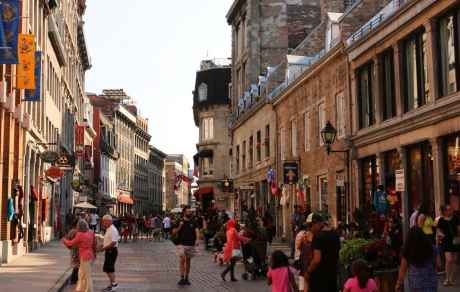
Visit early morning (before 9 AM) or late evening after dinner crowds clear. Or skip Old Montreal's busiest blocks entirely and focus on Rue Duluth or Mile End for dining and culture. Old Montreal's cobblestone streets and historic architecture are worth seeing, but the neighborhood's restaurant and nightlife scene often functions as performance rather than authenticity.
7. What Food Should I Try Beyond Poutine And Bagels?
Montréal's BYOB culture, microbrewery scene, and immigrant food communities shape the city's eating identity more than any single dish. Try Rue Duluth for Portuguese or French bistros. Visit Jean-Talon Market for seasonal produce and snack stalls. Le Lab for cocktails. Wilensky's for pressed sandwiches. The city's food culture is plural, no single item defines it.
8. Are Montreal's Festivals Worth Planning A Trip Around?
Montréal hosts world-class festivals, especially in summer: Just for Laughs, Jazz Fest, and others. But festivals also bring massive crowds and higher prices. If you're visiting for low-key hidden gems and neighborhood exploration, shoulder seasons work better. If you want festival energy, plan specifically for those dates and accept that quiet corners disappear during peak events.
9. Can I Visit Montreal Without Speaking French?
Yes. English is widely spoken in tourist areas, Mile End, downtown, and many neighborhoods. That said, starting with "Bonjour" and basic French courtesy improves every interaction. Montréal is officially French-speaking, and respect for that goes a long way. Most people appreciate the effort even if they switch to English mid-conversation.
10. What's The Best Way To Use City Unscripted For Montreal Tours?
City Unscripted connects you with local guides who show you the city through lived experience rather than scripted routes. If you want to explore with someone who actually lives here, it's worth considering. The value is in the conversation and local perspective, not just seeing locations. Think of it as hiring a knowledgeable friend rather than joining a group tour.
11. How Much Time Do I Need To Explore These Hidden Gems?
Most spots take 1-3 hours individually. You can easily build a full day by clustering nearby locations: Mile End bagels and cafes in the morning, Jean-Talon Market at midday, Rue Duluth for dinner. West-island locations (Sainte-Anne boardwalk, aviation museum) pair well for a half-day trip. Give yourself flexibility rather than cramming too many spots into one day.
12. What Should I Skip In Montreal?
Generic chain restaurants anywhere. Old Port touristy bistros when Rue Duluth offers better value and authenticity. Gift shops selling "Montreal" merch made elsewhere. The biggest crowds at Mount Royal when timing adjustments would give you the place to yourself. BeaverTails when real maple taffy exists. Overpaying for experiences that locals get for free or cheap.
13. Is Montreal Safe For Solo Travel And Night Walking?
Yes, generally. Montréal has typical urban safety considerations but remains walkable and well-lit in most neighborhoods covered here. The St-Laurent corridor gets busy late with bikes and rideshares, stay aware of traffic. Side streets in Mile End and Little Italy stay residential and calm. Use standard city awareness: stay aware of your surroundings, trust your instincts, stick to populated areas late at night.
14. What's The Deal With BYOB Restaurants?
Bring Your Own Bottle restaurants let you bring wine from home or purchased from an SAQ (Quebec's liquor store). There's typically no corkage fee, and the savings on wine dramatically reduce your total bill. SAQ stores are everywhere. The BYOB model makes dining out more affordable and encourages longer, more relaxed meals.
15. How Do Montreal's Neighborhoods Connect To Each Other?
Mile End and Little Italy border each other north of downtown, connected by Boulevard Saint-Laurent. The Plateau sits east of Mile End. Old Montreal anchors the waterfront south of downtown. The canal runs west from Old Port through LaSalle. West-island locations (Sainte-Anne, Pointe-Claire, Île-Bizard) require separate trips. Transit reaches some, but a car helps. Most neighborhoods covered here connect via metro or short bike rides.

Avenue du Mont-Royal at sunset
Final Thoughts: Timing Over Secrecy
Montréal's secret gems aren't about finding places nobody knows. They're about understanding when places reveal themselves and why locals keep returning.
I've lived here long enough to watch "hidden" shift from meaning undiscovered to meaning well-timed. The city's real texture lives in approach, not exclusivity, explaining its popularity as one of the best travel destinations in the country.
So take this guide as a starting point for your Canadian experiences. Visit these spots when they make sense. Let timing shape your experience. Talk to people. Wander the side streets. The city rewards people who show up correctly.
Check out things to do in Montréal with a local guide who reads the city by timing and texture. I truly hope you'll come here soon and have an experience you won't soon forget.


Ready to plan your perfect day in Montreal?
Start your experienceTravel Guides Can Only Take You So Far
We connect travelers with locals who shape days that actually fit your interests, not someone else’s checklist.
See how it worksWish You Had a Local Friend in Montreal?
One who knows the city inside out and could plan a private day just for you? Our local hosts do exactly that: no scripts, no tourist traps, just the side of the city most people miss.
Meet Your Montreal Hosts
A personalized way to explore Montreal’s must-see landmarks beyond the tourist crowds.