Dublin Your Way: Four Flexible Hours
Spend four hours exploring the side of Dublin that interests you, from its writers and architecture to the streets where locals spend their time.
Some cities reveal themselves through their landmarks. Dublin does it over a good meal. Spend a day here and you'll notice that the food follows its own rhythm. Mornings begin with the sizzle of a Full Irish. By lunchtime, queues spill out of neighborhood delis for chicken fillet rolls. Come evening, the pubs fill with people settling in over coddle, seafood chowder, or a proper pint of Guinness. It's all refreshingly unfussy. As we'd say in Ireland, grand.
The best food in Dublin isn't always the one with the longest line of tourists outside. It's the bowl of stew that takes the edge off a rainy afternoon, the brown soda bread that's still warm when it reaches the table, or the spice bag shared with friends after a night out. These are the meals that locals grow up with, return to, and quietly recommend when someone asks where to eat.
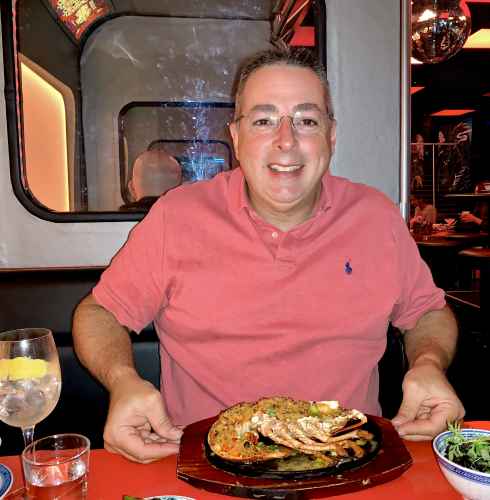
Aoife enjoying seafood chowder in a traditional Dublin pub
I'm Aoife, a born-and-bred Dubliner, and if there's one thing I've learned, it's that this city tells its story through everyday places as much as famous ones. Some of my favorite meals have come from historic pubs that haven't changed much in decades, while others have come wrapped in paper from a neighborhood chipper. If you want to understand Dublin, start by pulling up a chair, ordering what the locals order, and building your trip around more personal Dublin experiences. The craic around the table is often just as memorable as what's on the plate.
You could spend a week eating your way around Dublin and still leave with a list of places to come back to. If you're only here for a few days, don't worry about trying everything. Start with the dishes that locals have kept alive for generations, mix in a couple of modern favorites, and let the city do the rest.
Start your morning with a Full Irish Breakfast. It's filling, unapologetically hearty, and one of the best introductions to Irish cooking.
Make time for Dublin coddle, even if it isn't the dish that first catches your eye. It's comfort food with deep roots in the city and one of the meals Dubliners are proud to call their own.
Grab a chicken fillet roll for lunch instead of sitting down for another restaurant meal. It's one of the simplest ways to experience everyday Dublin.
Order seafood chowder with brown soda bread if you're anywhere near the coast. It's the sort of meal that feels even better when the Irish Sea is only a short walk away.
Treat the spice bag as your late-night meal, not your dinner reservation. It belongs after the pub, when nobody's worried about table manners.
Finish with a proper pint of Guinness. Not because every visitor is supposed to, but because few things capture Dublin's easygoing pub culture better than lingering over one good pint and an even better conversation.
From historic pubs to seaside seafood and everyday favorites, experience the dishes that have shaped Dublin for generations.
If someone stopped me on Grafton Street and asked what they absolutely had to eat before leaving Dublin, these are the dishes I'd mention first. None of them are flashy, and that's exactly why they matter. They're the meals Dubliners grow up with, come back to, and quietly miss when they've been away for too long.
The best Full Irish breakfasts happen when nobody is watching the clock. This is a meal for a slow morning, when there's nowhere else to be. A generous plate of bacon rashers, sausages, eggs, black and white pudding, grilled tomato, mushrooms, beans, and toast or brown soda bread might look like more than anyone could finish. Then, somehow, the plate comes back empty.
Traditional Full Irish breakfast in a cozy Dublin café
A Full Irish is about more than the food. It's the extra cup of tea, the easy conversation, and the feeling that the day can wait another half hour. If your time in Dublin begins here, you're already off to a grand start.
I'll be honest. Dublin coddle isn't the dish that visitors usually get excited about ordering. It won't win any prizes for presentation, and that's never really been the point. Made with sausages, bacon, onions, and potatoes that are slowly cooked together, it's humble, hearty, and deeply woven into the city's history.
Ask a Dubliner about coddle and you'll quickly discover everyone has an opinion on where to find the best bowl. Mine? Don't judge it by the first spoonful. Give it a chance, tear off a piece of brown soda bread, and you'll understand why generations of families have kept this simple dish on the table.
The smell of Irish stew usually reaches you before the bowl does. Traditionally made with slow-cooked lamb or mutton, potatoes, onions, and root vegetables, it's proof that great cooking doesn't need a long list of ingredients. Give it time, good stock, and quality meat, and everything else takes care of itself.
You'll spot Irish stew in pubs across Dublin, but the best versions don't try to reinvent it. They're rich without being heavy, warming without being fussy, and best when the broth is deep enough to make you slow down. If the weather has turned cool or the rain has rolled in, there's a good chance you'll find yourself ordering it more than once.
If the seagulls suddenly become interested in your lunch, you've probably ordered well. Dublin has always looked to the sea, and fresh fish is still one of the city's greatest strengths. Crisp golden batter, flaky white fish, chunky chips, and a splash of vinegar might sound simple, but when it's done well, it's hard to beat.
Couple enjoying fish and chips at Howth Harbor near Dublin
If you're planning your things to do in Dublin, make time for Howth at lunch and take a walk along the harbor afterwards. Even in the city center, you'll find excellent fish and chips if you know where to look. Just don't be surprised if a few hungry seagulls are hoping you'll share. Around here, they're every bit as confident as the locals.
There's an old Irish saying that goes, "Boxty on the griddle, boxty in the pan. If you can't make boxty, you'll never get a man." Thankfully, your cooking skills aren't judged quite so harshly these days, but the saying gives you an idea of just how long boxty has been part of Irish food culture.
Made with a mixture of grated and mashed potatoes, boxty has a crisp golden outside and a soft, almost buttery center. It's often served with fillings like beef, smoked salmon, or seasonal vegetables, making it a little more versatile than many visitors expect. If you spot it on a menu, it's well worth ordering. It's one of those dishes that quietly reminds you just how creative Irish cooking can be with simple ingredients.
If there's one thing I hope you don't overlook in Dublin, it's the bread basket. Brown soda bread rarely gets top billing, yet it quietly turns up beside seafood chowder, Irish stew, smoked salmon, and countless bowls of soup. Before long, you'll realize a meal somehow feels incomplete without it.
Aoife collecting fresh Irish brown soda bread from a Dublin bakery
Made with wholemeal flour and baked without yeast, it has a hearty texture and a slightly nutty flavor that's perfect with a thick spread of Irish butter. It isn't trying to steal the spotlight, and that's exactly why I love it. Long after you've forgotten where you had your favorite meal, there's a good chance you'll still remember the warm slice of soda bread that came with it.
These aren't foods you'll find in history books, yet they've become just as much a part of Dublin as the city's oldest pubs.
You can learn plenty about Dublin over a bowl of coddle or a Full Irish, but everyday life tells a different story. It plays out at deli counters, neighborhood chippers, and takeaway shops where people grab lunch between meetings or pick up dinner on the way home. These aren't foods you'll find in history books, yet they've become just as much a part of Dublin as the city's oldest pubs.
If I wanted to explain modern Dublin with a single meal, I'd hand you a chicken fillet roll. Around lunchtime, the queues at neighborhood delis tell you everything you need to know. Students, office workers, tradespeople, and parents all waiting their turn, each convinced their combination of fillings is the right one.
Ask three Dubliners how to order a chicken fillet roll and you'll probably get three different answers. Crispy or grilled chicken, stuffing, cheese, salad, spicy mayo, or taco sauce all have their loyal supporters. My advice? Don't overthink it. Join the queue, trust your instincts, and don't be surprised if you want another one before the trip is over.
You won't find the spice bag in old Irish cookbooks, but ask around after a night out and you'll see how quickly people have opinions. Born from the city's Chinese takeaway scene, it's a glorious mix of crispy chicken, chips, fried onions, peppers, chili, and warming spices. It's messy, a little over the top, and absolutely part of modern Dublin life.
Friends sharing a late-night Dublin spice bag
The first time someone suggests ending Dublin at night with a spice bag, don't hesitate. It's the sort of meal that's best shared while everyone talks over each other about the evening's adventures. No one pretends it's fine dining, and that's exactly why people love it. Some foods tell the story of Dublin's past. The spice bag reminds you that the city's food culture is still writing new chapters.
Not every memorable meal in Dublin arrives on a grand wooden board or with a story stretching back centuries. Sometimes it's a toasted special. Usually filled with ham, cheese, tomato, and onion, it's the kind of sandwich that's appeared on pub menus for decades, and for good reason.
I've always liked how unpretentious it is. Order one alongside a bowl of soup or a pint after a long walk through the city, and it never feels out of place. It's simple, comforting, and proof that some of Dublin's best meals are the ones that don't try too hard.
From historic pubs to seaside seafood, experience the places where great food and local stories naturally come together.
See how it worksAsk someone to picture Dublin, and there's a good chance they'll imagine a pub. They're part of the city's identity, but the best ones offer far more than a good pint. Step inside and you'll find recipes that have stood the test of time, familiar faces at the bar, and meals that taste even better when the conversation lingers long after the plates have been cleared.
Every visitor feels they should try Guinness in Dublin, and they're right. Brewed in the city since the eighteenth century, it somehow tastes even better here, whether that's down to the freshness, the atmosphere, or simply the excitement of drinking it where it all began.
Friends enjoying Guinness in a traditional Dublin pub
What I'd say is this. Don't rush your pint. Find a traditional pub, settle into the moment, and enjoy everything happening around you. In Dublin, Guinness has always been as much about the company as the drink itself, and that's what people remember long after they've gone home.
One of the biggest mistakes visitors make is treating Dublin's pubs as somewhere to stop for a quick pint before moving on. Some of the city's most comforting meals are served in these same rooms, often from kitchens that have been quietly perfecting the same recipes for years. Slow-cooked stews, seafood chowder, and toasted specials all feel right at home here, especially when the weather outside is doing what Dublin weather does best.
One thing I've always loved about Dublin pubs is how nobody seems in a hurry to leave. Lunch turns into another cup of tea, another pint, another story, and before you know it the afternoon has slipped away. Order a meal, settle into the conversation around you, and let the pub become part of the day rather than another stop on the itinerary. That's when Dublin begins to feel less like a city you're visiting and more like one you're getting to know.
Some of Dublin's most satisfying pub meals are not always found where the crowds are thickest. If the room feels more interested in conversation than performance, you're usually in safer hands.
Look for places where people are settled in rather than passing through.A good pub doesn't need to shout for your attention, which is why some of the best meals feel closer to hidden gems in Dublin than headline attractions. It lets the food, the pint, and the chat do the work.
Living beside the Irish Sea has shaped Dublin's food culture as much as its pubs have. From steaming bowls of chowder to freshly shucked oysters, seafood has long been part of the city's story. If you've only been thinking about stews and breakfasts, this is your reminder that Dublin's coastal side deserves just as much attention.
Seafood chowder makes the most sense when Dublin slows down by the water. The first spoonful always seems to taste better with a sea breeze drifting through an open window. Made with fresh fish and shellfish in a creamy broth, it's usually served with thick slices of brown soda bread for mopping up every spoonful.
You don't need a special occasion to order it. A breezy afternoon, a walk along the harbor, or a day exploring the coast is reason enough. It's simple, warming, and one of those meals that reminds you how closely Dublin is tied to the sea.
If chowder is Dublin's comfort seafood, oysters and Dublin Bay prawns are its treat. Oysters are usually served simply, with lemon or a light dressing, while Dublin Bay prawns, when you find them on the menu, are sweet, delicate, and usually served with little fuss.
Enjoying oysters and Dublin Bay prawns overlooking Howth Harbor
This is the kind of food that deserves a coastal stop rather than a rushed city-center lunch. Order a small plate, take your time, and let the sea air do half the work. Dublin's best seafood moments are rarely complicated, and that's exactly the pleasure of them.
Irish desserts aren't usually elaborate, but they're full of warmth and tradition. Whether it's a slice of fruit bread with butter or a warm scone fresh from the oven, the best sweet treats are often the simplest. They're the sort of things you'll remember over an afternoon cup of tea rather than after a formal dinner.
Barmbrack is one of Ireland's oldest sweet breads, filled with dried fruit and gently spiced before being sliced and served with plenty of Irish butter. It's traditionally associated with Halloween, so that's when you'll see it most often. Some bakeries also make it throughout the year, especially those known for traditional Irish baking.
Buttered barmbrack with tea in a traditional Dublin bakery
If you see it on the counter, order a slice with a cup of tea. It's the kind of quiet afternoon treat that feels unmistakably Irish, and sometimes that's exactly what you're looking for after a morning of exploring the city.
You don't need afternoon tea at a luxury hotel to enjoy a proper Irish scone. Some of the best are found in independent cafés where they're baked fresh each morning and served warm with butter, jam, or a generous spoonful of cream.
A fresh scone is rarely the plan at the start of the day, but it has a lovely way of becoming the pause you needed. It's a chance to slow down, rest your feet, and chat about everything you've seen before heading back out into the city. Sometimes those quieter moments become the ones you remember most.
A local video call helps you plan the trip that’s right for you.
Knowing what to eat is only half the story. Where you eat it can completely change the experience. From historic pub districts to seaside villages and bustling markets, these are the places I'd suggest adding to your itinerary if you want to experience Dublin's food culture at its best.
Historic pubs
Guinness, stew, toasted special
Classic pubs and lively atmosphere
Coastal seafood
Chowder, fish & chips, oysters
Fresh seafood by the harbor
Cafés and bakeries
Full Irish, scones, coffee
Great breakfast and people-watching
Local food stalls
Street food and sweet treats
Casual bites in a historic market
Neighborhood dining
Modern Irish pub food
Local feel away from tourist crowds
| Known for | What to eat | Why go | |
|---|---|---|---|
|
Temple Bar |
Historic pubs | Guinness, stew, toasted special | Classic pubs and lively atmosphere |
|
Howth |
Coastal seafood | Chowder, fish & chips, oysters | Fresh seafood by the harbor |
|
Grafton Street |
Cafés and bakeries | Full Irish, scones, coffee | Great breakfast and people-watching |
|
George's Street Arcade |
Local food stalls | Street food and sweet treats | Casual bites in a historic market |
|
Stoneybatter |
Neighborhood dining | Modern Irish pub food | Local feel away from tourist crowds |
Dublin is easy to enjoy, but not every good meal announces itself. Leave room for the classics, but don't overlook the everyday places people return to without thinking twice.
Only eating in Temple Bar: Temple Bar is worth a wander, but it should not be your whole food plan. Walk five or ten minutes in almost any direction and the atmosphere changes. The menus become a little less predictable, the crowds thin out, and the meal usually feels more connected to Dublin.
Treating pubs as pint stops only: A quick Guinness is grand, but leaving before you check the menu can be a mistake. Some memorable pub meals happen long before the evening crowd arrives, when people are settled over stew, chowder, or a toasted special.
Skipping the everyday foods: Coddle and stew matter, but so do chicken fillet rolls, toasted specials, and spice bags. These are the foods that show you how Dublin eats between the famous meals.
Staying in the city center all day: Dublin sits beside the Irish Sea, so seafood deserves a place in your plans. Make time for chowder, oysters, Dublin Bay prawns, or fish and chips near the water.
Rushing every meal: Dublin food is better when you give it a bit of time. Sit over breakfast, stay for another cup of tea, or let a pub lunch stretch longer than planned.
Playing it too safe: If you have never tried coddle, boxty, black pudding, or brown soda bread, this is the place to start. You may not love everything, and that's fine. Even the dishes you wouldn't order twice can teach you something about Dublin.
Cillian picked us up at our hotel and took us on a lovely 2-hour walking tour to see the highlights in Dublin. He was a treasure trove of information about Ireland Dublin and its history culture music food and people. He even serenaded us with some Irish tunes.Susan, Dublin, 2026
1. What food is Dublin famous for?
Dublin is famous for coddle, Irish stew, Full Irish breakfasts, fish and chips, seafood chowder, brown soda bread, and Guinness. Modern favorites like chicken fillet rolls and spice bags have also become part of the city's food identity.
2. Is food expensive in Dublin?
It depends where you eat. A chicken fillet roll, toasted special, or meal from a local chipper can be affordable, while gastropubs and fine dining restaurants cost more. You do not need a big budget to eat well in Dublin.
3. Do you tip in Dublin?
Tipping is not compulsory, but it is appreciated for good service. In restaurants with table service, many people leave around 10% if service is not already included. You do not need to tip at café counters, takeaway spots, or pub bars.
4. Is Temple Bar the best place to eat in Dublin?
Temple Bar has places worth trying, but it should not be your whole food plan. Walk a few streets farther and you will often find calmer pubs, cafés, and delis with a stronger neighborhood feel.
5. Do I need to book restaurants in Dublin?
For casual cafés, pubs, chippers, and delis, you can often be flexible. For popular restaurants, weekend dinners, or special occasions, booking ahead is a good idea.
6. Where can I find traditional Irish food in Dublin?
Traditional Irish food is served in pubs, long-established cafés, and independent restaurants across the city. Look for coddle, Irish stew, seafood chowder, boxty, brown soda bread, and a proper Full Irish breakfast.
By the time you leave Dublin, you'll probably have a favorite meal. It might be a bowl of coddle that surprised you, a chicken fillet roll eaten on a park bench, or a seafood chowder that tasted even better with the Irish Sea just beyond the window. Then again, it could be something as simple as warm brown soda bread with butter that you'll find yourself thinking about weeks later.
Evening stroll through Dublin after a memorable meal
That's the thing about eating in Dublin. The food doesn't need to be elaborate to leave an impression. It slips into your day naturally, whether you're lingering over breakfast, settling into a pub for lunch, or ending the evening with a spice bag shared on the walk home. Before you know it, the meals become part of the memories you've made.
If I could leave you with one piece of advice, it would be this. Don't spend your trip chasing the places everyone else is talking about. Follow the smells drifting from a busy kitchen, join the queue at the neighborhood deli, stay for one more cup of tea, and order the dish you've never heard of before. That's where Dublin has a habit of surprising you, and why the best UK experiences often begin with something as simple as a good meal.
Explore historic pubs, neighborhood favorites, and the traditional dishes that tell Dublin's story with a local host.
We'll help you discover the neighborhoods, pubs, and local food experiences that best match how you like to explore.
Discover Dublin through the pubs, cafés, markets, and neighborhood favorites that locals return to time and again.