Essential Dublin: Famous Sights & Stories
Spend six hours discovering the stories behind Dublin's best-known sights with a local host who adapts the experience to your interests.
Right, let's get one thing straight: your three days in Dublin itinerary isn't enough to know the city, but it's plenty to fall for it. I've lived here all my life, watched Temple Bar go from dodgy to touristy to whatever it is now, and I still find corners that surprise me. So when friends visit Dublin, this is exactly what I tell them: forget the leprechaun keyrings and the overpriced pints in plastic shamrock pubs. Here's how you actually do your days in Dublin without feeling like you've been had.
This three days in Dublin itinerary cuts through the tourist nonsense to show you the real Irish capital, with Dublin experiences that feel useful, lived-in, and worth your limited time. Whether you're planning three days in Dublin or stretching it out, it gives you the insider track. Look, I've seen every type of tourist come through Dublin City: the ones who spend their entire 3 days in Dublin in Temple Bar thinking they've seen Ireland, and the ones who queue for hours at Trinity College when the city's best stories are happening in the pub next door.
Dublin is easy to overdo if you treat it like a checklist. The best things to do in Dublin over three days include the old city, a proper pub evening, a coastal escape, and a few local corners without spending the whole trip in Temple Bar.
Best first stop: Start around Trinity College, Grafton Street, and Dublin Castle so you can get the city’s history, bookshops, pubs, and old streets without wasting time crossing town.
Best pub reality check: Visit Temple Bar once if you must, but do not build your whole Dublin at night experience around it. The better evenings usually happen in smaller pubs where the music feels less staged.
Best cultural stop: Choose between the Guinness Storehouse, the Irish Whiskey Museum, Kilmainham Gaol, or EPIC depending on whether you want beer, whiskey, history, or emigration stories.
Best coastal break: Take the DART to Howth for sea air, cliff views, fish and chips, and a break from the city center without losing a whole day to travel.
Best day-trip warning: Giant’s Causeway in Northern Ireland is possible from Dublin, but it is a long day. If you only have three days, Howth usually gives you a better balance of coast, time, and energy.
Best final evening: End with one proper pint somewhere calmer than Temple Bar, then leave space for a chipper stop if the night goes the way Dublin nights usually do.
These private experiences fit this itinerary best, with a strong first look at the city, proper pub culture, a coastal break, and the literary side of Dublin that still lingers in the streets.
Dublin City isn't what the postcards show you. It's not all Georgian doors and traditional Irish music. It's a working city with a split personality: one foot in Silicon Valley, the other in James Joyce's time. The craic is real, but so is the rain. And yes, we'll chat to you at bus stops, but we'll also tell you straight if that tourist trap you're heading to is shite.
Ireland's capital has layers you won't find on a hop-on hop-off bus ticket, and this Dublin itinerary shows you the real thing. When you visit Dublin, you need a plan that cuts through the nonsense. Most people follow the same itinerary every guidebook suggests, missing the real city entirely. Your 3 days in Dublin should feel like you've met the place, not just photographed it.
I'm talking about knowing which side of Grafton Street gets the sun in the morning, why residents avoid Temple Bar on weekends, and where to find the best pint of Guinness that isn't at the Guinness Storehouse. These Dublin tips come from decades of living here, not a quick Google search.
Dublin is never fully predictable, but some months make a 3-day itinerary easier than others. I’d plan around daylight, crowds, rain, and whether you want normal Dublin or the full festival version.
Prices vary by area, with Temple Bar usually costing more.
Eat and drink away from the busiest tourist streets.
Central rooms change a lot by season, events, and weekends.
Compare live rates before choosing your area.
Adult daily cap in Dublin Zone 1 is currently €6.
Use it for bus, DART, Luas, and eligible rail trips.
Current prices are €8 for 1 day, €18 for 3 days, and €24 for 7 days.
Useful if you want simple unlimited visitor travel.
Prices and inclusions change, so check before buying.
Only buy it if your paid attractions justify the cost.
| What to know | Local advice | |
|---|---|---|
|
Pints and meals |
Prices vary by area, with Temple Bar usually costing more. | Eat and drink away from the busiest tourist streets. |
|
Hotels |
Central rooms change a lot by season, events, and weekends. | Compare live rates before choosing your area. |
|
Leap Card |
Adult daily cap in Dublin Zone 1 is currently €6. | Use it for bus, DART, Luas, and eligible rail trips. |
|
Leap Visitor Card |
Current prices are €8 for 1 day, €18 for 3 days, and €24 for 7 days. | Useful if you want simple unlimited visitor travel. |
|
Dublin Pass |
Prices and inclusions change, so check before buying. | Only buy it if your paid attractions justify the cost. |
Most of the best Dublin moments still cost nothing: walking along the Liffey, people-watching in St Stephen’s Green, finding a proper music session, or wandering until you hit a pub that feels right.
One extra note for 2026: Dublin Castle is closed to the public from 5 May to 31 December 2026, so do not include it in any pass calculation for those dates.
Go for the atmosphere and history rather than expecting the old version unchanged.
Start with breakfast near Grafton Street before heading into Trinity College. Bewley’s gives you the classic Dublin institution feel, while Brother Hubbard is better if you want something more modern. At Trinity College Dublin, book the Book of Kells early if you really want to see it, or skip the paid bit and wander the campus instead. The campus still carries plenty of literary weight, with Oscar Wilde, Samuel Beckett, and Bram Stoker all tied to its history.
The Long Room is still worth seeing, but the Old Library redevelopment has changed the visitor experience. It no longer looks exactly like the classic photos with rows of books filling every shelf, so go for the atmosphere and history rather than expecting the old version unchanged. After Trinity, walk through Nassau Street and Grafton Street. You’ll get Irish design shops, tourist tat, Hodges Figgis, George’s Street Arcade nearby, and enough Dublin street life to make the morning feel less like a queue and more like the city.
Dublin Castle is worth a stop for the history, even if it looks more Georgian than medieval. It was the seat of British rule in Ireland for centuries, and the State Apartments, Chapel Royal, gardens, and older layers of the site all tell different parts of the city’s story. Just note that Dublin Castle is closed to the public from 5 May to 31 December 2026, so don’t build a 2026 itinerary around going inside.
For lunch, aim for The Stag’s Head or The Hairy Lemon rather than a plastic-shamrock pub. Afterward, choose one cathedral instead of forcing in both. Christ Church Cathedral has the medieval crypt and the famous mummified cat and rat, while St Patrick’s gives you better green space nearby. Then walk the quays toward the Ha’penny Bridge so you see the River Liffey doing what it does best: dividing the city, carrying the stories, and looking a bit rough around the edges.
The Temple Bar District is unavoidable, so pass through it if you want, but don’t let it define your night. The actual Temple Bar pub is famous, loud, packed, and expensive, but the real issue is not a cover charge. It’s that visitors spend too much money there and leave thinking that was Dublin. If you want food nearby, Elephant & Castle, Bunsen, or Fade Street Social are better choices than wandering blindly into the loudest pub on the lane.
For music, try The Merchant’s Arch if you want something close to Temple Bar but less chaotic, or head to O’Donoghue’s on Merrion Row for a better chance at a proper session. End with a pint somewhere that feels like a proper Irish pub, not a performance. A proper Guinness should not be rushed, and your first Dublin night should give you enough room to sit, listen, and let the city talk around you.
A private experience can help you balance the old city, proper pubs, coastal air, and the parts of Dublin that feel more lived in than tourist-led.
See Dublin ToursStart near St Patrick’s Cathedral with breakfast at The Fumbally on Fumbally Lane. It does the kind of breakfast that makes hotel buffets feel like punishment, and it leaves you close enough to peek at St Patrick’s afterward if you skipped it on Day 1. From there, make your way toward the Guinness Storehouse. Yes, it is touristy as all hell, but it is also genuinely impressive if you go in knowing what it is.
The classic Guinness Storehouse experience is self-guided, moves through seven floors, and finishes with a Guinness or Guinness 0.0 at the Gravity Bar, so book ahead and avoid the middle of the day if you hate tour-bus crowds. If you want something smaller after that, Teeling Distillery in the Liberties offers guided tours through a fully operational whiskey distillery followed by tastings, which feels less like a theme park and more like an actual production space.
If you still want more drinks history, the Irish Whiskey Museum opposite Trinity is an easy midday stop. It is less of a production than Jameson and helps explain the difference between Irish, Scotch, and American whiskey without making you feel like you have wandered into a corporate team-building exercise. Afterward, go to Grogans on South William Street for toasted sandwiches, art on the walls, and the kind of pub atmosphere Dublin does better than it admits.
From there, wander Grafton Street, but do not expect miracles from the shops. The buskers are often better than the retail. Duck into the side streets for George’s Street Arcade, Drury Street coffee, Capel Street shops, or a quick walk toward St Stephen’s Green. If you need a quieter reset, the National Gallery is free and gives you a bit of culture without having to commit your whole afternoon to a museum.
For dinner, pick the version of Dublin you are in the mood for. Chapter One is the polished choice if you booked well ahead, L’Gueuleton works if you want a French bistro that Dubliners still somehow love, and Leo Burdock’s does the fish-and-chips version of the night if you would rather eat while walking. After that, skip Temple Bar for music and head somewhere the session feels like it belongs in the room. O’Donoghue’s on Merrion Row, The Cobblestone in Smithfield, and Sin É on Ormond Quay are all better bets for live music that does not feel staged.
Sessions often start late, so do not expect everything to run on a neat schedule. Do not request songs, do not film the whole thing, and only clap along if the room is doing it. Normal pub trading hours in Ireland are generally until 11:30 PM Monday to Thursday, 12:30 AM on Friday and Saturday, and 11 PM on Sunday, with extra drinking-up time, though late licenses change the night in plenty of places. End at a chipper if the night goes properly sideways. You have not really done Dublin nightlife until you have eaten chips on the street and pretended that was always the plan.
Start early in St Stephen’s Green before the shopping crowds take over nearby Grafton Street. It is central, easy, and a better reset than trying to force another indoor attraction first thing. Walk the paths, find a bench, and let the city wake up around you before heading for the coast.
From Connolly or Tara Street, take the DART to Howth for the easiest half-day escape from central Dublin. Sit on the right side going out once you pass Clontarf for sea views. Howth works better than Dún Laoghaire if you want cliffs, fishing harbor energy, fish and chips, and a real sense that you have left the city without wasting half the day traveling.
The Howth Cliff Walk is the reason to come out here. You can do a shorter loop if you want the views without committing to the full walk, or take a longer route if the weather is behaving and your shoes are up to it. Expect sea air, gorse, gulls, views toward Ireland’s Eye, and enough cliff-edge drama to make the morning feel completely different from the city center.
After fish and chips in Howth, either stay by the harbor a little longer or take the DART back into town for one final cultural stop. EPIC works well if you want Irish emigration stories, Kilmainham Gaol is excellent but needs advance booking, and the National Museum is a strong free option.
For your final evening, keep it simple. The Brazen Head is touristy but charming if you want the “oldest pub” atmosphere, while Mulligan’s on Poolbeg Street is better if your priority is a serious pint of Guinness without much fuss. After a coastal day, you do not need to force a huge night out. One good pub, one last walk, and maybe a chipper stop is enough.
For Dublin Airport, check current airport bus options before you travel. Dublin Express, Aircoach, public buses, and taxis can all work depending on where you are staying and how much luggage you have. The old Airlink Express 747 route is currently suspended, so do not plan around it.
Book a quick call and get insider answers to your trip questions.
Dublin’s quieter corners are not always dramatic, but they give the city more texture than another hour in a crowded pub. These hidden gems in Dublin are the places I’d use when you want a pause, a better story, or a side street that feels more interesting than the obvious stop.
The Iveagh Gardens: Behind the National Concert Hall, the Iveagh Gardens often feel surprisingly quiet, even on good-weather days. You get a cascade waterfall, rose gardens, lawns, and a slightly odd little maze that is more charming than impressive. They are free to enter and much calmer than St Stephen’s Green when the city center is busy. If you want a pause without leaving the south side, this is one of the easiest wins in Dublin.
Marsh’s Library: Near St Patrick’s Cathedral, Marsh’s Library is one of those places people walk past without realizing what is inside. It is Ireland’s oldest public library, founded in 1707, with old books, dark wood, reading cages, and that smell of paper and polish you cannot fake. Current self-guided adult tickets are listed at €8, with reduced rates for students and seniors. It is still a small, atmospheric stop rather than a full afternoon plan.
Stoneybatter Neighborhood: Stoneybatter used to be rougher around the edges, but now it is all craft beer, brunch, and people pretending they discovered the north side first. L. Mulligan Grocer is good for Irish whiskey and cheese pairings, and The Belfry keeps the neighborhood feeling casual rather than polished. It still has character, though. You get old Dublin working-class bones mixed with younger residents who want good coffee, decent food, and somewhere that is not Temple Bar.
The Liberties: The Liberties is one of the oldest parts of medieval Dublin, and it is still fighting gentrification tooth and nail. Teeling Distillery and Pearse Lyons Distillery bring visitors in for whiskey tours, but the area still has proper Dublin character once you step away from the polished tour routes. NCAD keeps the neighborhood young, messy, and creative. That mix of old industry, student energy, and new money is exactly why the Liberties feels interesting instead of tidy.
Smithfield Square: Smithfield Square is a massive, cobbled space that Dublin keeps trying to make happen, and somehow that is part of its charm. The Lighthouse Cinema shows films that are not Marvel, which is practically revolutionary, and The Cobblestone is still one of the best places in Dublin for traditional music. The old fruit market is not a visitor stop right now, but Smithfield still works for cinema, music, pubs, and a slightly rough-around-the-edges Dublin evening.
Friday: Land at Dublin Airport, check in, and walk to the nearest decent pub. Dinner at Delahunt works well if you have booked ahead, since the restaurant is open Tuesday to Saturday and is still one of the city’s strong modern Irish dining options. Afterward, go for pints at The Long Hall, a proper Dublin pub with a Victorian interior, no fuss, and the kind of room that makes conversation feel like the point.
Saturday: Start with breakfast at Brother Hubbard, then take the DART to Howth for the cliff walk, fish and chips, and a bit of sea air. Come back to the city center for a rest before dinner at The Woollen Mills, where a window seat overlooking the Liffey and Ha’penny Bridge is worth asking for if you can get one. End the night with a traditional music session at The Cobblestone in Smithfield, which still has live music every night.
Sunday: Keep it slower. Walk through St Stephen’s Green, have brunch at The Fumbally, visit the National Gallery if you want something free and brilliant, then follow the quays along the Liffey. Finish with an early dinner at Fade Street Social or a sunset pint at The Brazen Head before collapsing in the most dignified way available.
This three days in Dublin itinerary hits the sweet spot. You’ll see the obvious stops like Trinity College and Temple Bar, but you’ll also find the Dublin that residents actually use: the coast, the pubs, the food, the streets, and the corners that don’t need a souvenir shop to prove they matter.
Ten years ago, I’d have sent you to the Guinness Storehouse first thing. Now, the food scene is properly good, the coffee is excellent, and we’ve finally admitted we like cocktails. Dublin has changed a lot over the last decade. The city center feels more European in places, but scratch the surface and old Dublin is still there.
Ireland’s capital is not trying to be London or New York anymore. It has figured out how to be itself, only better. That confidence shows everywhere, from the Dublin Castle area becoming more of a cultural quarter to Temple Bar slowly becoming more than stag parties. Your 3 days in Dublin can now include great food, proper pubs, coastal air, and enough old city grit to keep things interesting.
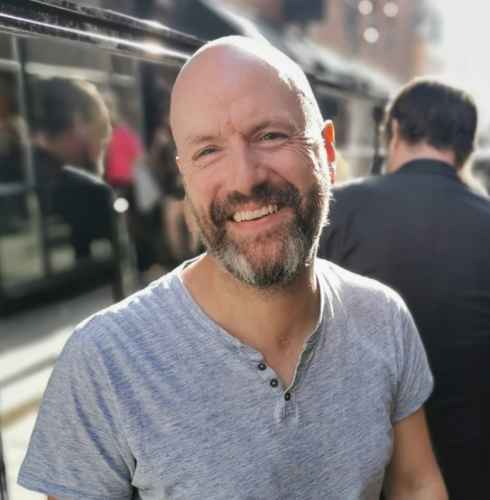
Our tour guide, Mick, was fantastic. So knowledgeable and was able to make the tour special for us! I would highly recommend this tour.Melissa, Dublin, 2026
Dublin is easy enough to manage once you know what works and what is mostly performance. These practical tips cover transport, weather, food, and the experiences that are actually worth building into your 3 days.
1) Is Dublin safe?
Yes, Dublin is generally safe for visitors, but use normal city sense. Watch your phone and bag around Grafton Street, Temple Bar, public transport stops, and nightlife streets.
2) Is 3 days enough in Dublin?
Yes, 3 days in Dublin is enough for the main highlights without rushing. You can see Trinity College, the Liffey, a major museum, a proper pub, and Howth.
3) Is the Dublin Pass worth it?
Sometimes, but only if you plan to visit several paid attractions in a short time. Check the current Go City Dublin Pass price and inclusions before buying.
4) What is one thing you shouldn’t miss in Dublin?
A proper Irish music session in a proper pub. Not a ticketed show, not a Temple Bar performance, just musicians turning up and playing.
5) What is the best day trip from Dublin?
For a 3-day trip, Howth is the easiest choice. It gives you sea air, cliff views, fish and chips, and a proper break from the city without losing a full day.
Dublin is not perfect. It is expensive, it rains sideways, and some streets smell like hops, traffic, and old stone after a wet afternoon. But it has something guidebooks struggle to explain: a stubborn, funny, battered kind of soul.
Every proper pub has a story, every walk from Trinity College to Temple Bar passes through another layer of Irish history, and every Dubliner has an opinion they are only waiting for the smallest excuse to share. That is the real point of this 3 days in Dublin itinerary. Not to see everything, because you will not, but to leave feeling like the city has started talking back.
Three days will never be enough. Not really. But done right, they are enough to understand why we complain about Dublin constantly and still get defensive the second anyone else does. The city gets under your skin like rain through a cheap jacket, and somehow, by the time you notice, you are already making plans to come back.
Now go on. Get yourself a proper pint, stop trying to solve the place, and let Dublin do what Dublin does best. She’ll wreck your plans, rob your umbrella, make you laugh at the worst possible moment, and send you home with a story.
A private experience can help you balance the old city, proper pubs, coastal time, and the parts of Dublin that are actually worth slowing down for.
Get one-to-one advice on how to split your time between the city center, pubs, Howth, cultural stops, and the parts of Dublin that fit your pace best.
A personalized way to explore Dublin’s must-see landmarks beyond the tourist crowds.