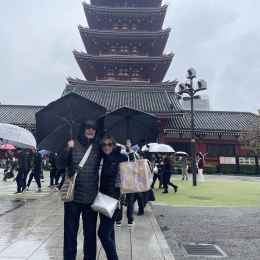
Mari was a wonderful guide. She made the evening very special and was mindful of our wishes. We tried many different dishes including sake and nice beef. Thank you so much.Simona, Tokyo, 2026

Table Of Contents
- Tokyo Safety at a Glance
- Natural Disasters: What to Know in Tokyo
- Going Solo: What Solo Travelers Should Know
- Areas to Watch at Night in Tokyo
- Quick Safety Tips for a Smooth Tokyo Trip
- Practical Safety Tips for Visiting Tokyo
- Final Thoughts on Safety in Tokyo
Tokyo is generally one of the safer major cities for travelers, which is why so many Tokyo experiences feel easy to enjoy once you understand the basics. Streets are generally orderly, public transport is easy to navigate, and the kōban, small neighborhood police boxes, are useful if you get lost, need directions, or run into trouble. Many are staffed around the clock, so help is often close by in busy areas.
As someone who lives in Shibuya and spends a lot of nights photographing Tokyo after dark, I still think safety here comes down to awareness, not fear. Most evenings feel easy, but I pay more attention around nightlife exits, last trains, and streets where touts are working.

Navigate Tokyo with Confidence: Stay Safe, Stay Savvy
Still, Tokyo is a large city, and some areas need more awareness than others. Shinjuku’s Kabukicho, Shibuya’s Center Street, Ikebukuro’s West Gate Park area, and Roppongi are nightlife hubs that can be fun to explore, but they can feel rowdier after dark.
In these areas, keep an eye on your belongings, be cautious of overly friendly strangers, avoid following touts into bars or clubs, and do not leave your drink unattended. Enjoy the nightlife, but keep your plans simple and your judgment clear, especially late at night.
Explore Tokyo More Confidently With a Local
Learn how to navigate Tokyo neighborhoods, nightlife areas, transport, and local etiquette with a host who knows the city well and can help you feel more at ease from the start.
Tokyo Safety at a Glance
Tokyo is generally one of the safer major cities for travelers, but it still helps to know where to be alert and what to do if something goes wrong. Most visits are trouble-free, especially if you use normal city awareness around nightlife, crowded stations, and severe weather alerts.
- Overall safety: Tokyo is generally safe for visitors, including solo travelers and anyone visiting for the first time in Japan.
- Best places for help: Look for a kōban, one of Japan’s small neighborhood police boxes, if you are lost, need directions, or need assistance.
- Areas to be more alert at night: Kabukicho, Roppongi, Shibuya’s Center Street, and parts of Ikebukuro can feel rowdier after dark.
- Common issues to watch for: Be careful with touts, overpriced bars, drink spiking, unattended belongings, and crowded train stations.
- Natural disaster awareness: Earthquakes and typhoons are part of life in Japan, so follow official alerts, hotel staff guidance, and station announcements.
- Solo traveler tip: Tokyo is easy to navigate alone, but keep your phone charged, save your hotel address, and avoid unnecessary late-night detours.
The city is well prepared, but it is not disaster-proof, and travelers should know the basic steps before something happens.
Natural Disasters: What to Know in Tokyo
Tokyo sits on the Pacific Ring of Fire, so earthquakes, typhoons, and severe weather are part of life in Japan. The city is well prepared, but it is not disaster-proof, and travelers should know the basic steps before something happens.

Typhoon
If you are in Tokyo during an earthquake, stay calm and follow local guidance. If you are indoors, get under something sturdy if you can, stay away from windows, and wait until the shaking stops before moving. If you are outside, move away from buildings, signs, walls, and glass. If there is a strong earthquake near the coast, pay attention to tsunami warnings and follow official instructions.
For typhoons, check the forecast and do not force outdoor plans if heavy rain or strong winds are expected. Trains, flights, museums, and attractions can be delayed or closed during severe weather, so keep your schedule flexible and follow updates from your hotel, transport staff, and official weather alerts.
Tokyo Feels Very Different Once You Know What to Expect
Learn how locals navigate busy stations, nightlife districts, late-night trains, and everyday etiquette with someone who knows the city well.
See Private ToursGoing Solo: What Solo Travelers Should Know
Tokyo is generally one of the easier major cities to navigate alone. Whether you are visiting Meiji Shrine, walking through Harajuku, or eating at a counter-service ramen shop, solo travel usually feels straightforward here.
Women traveling solo may also notice women-only train cars during certain rush-hour periods. Look for the signs on the platform and check the posted times, since availability depends on the line and schedule.

Solo Traveler
As always, use normal solo travel awareness. Keep your valuables close, stay aware of your surroundings, save your hotel address, and avoid unnecessary late-night detours. Tokyo is comfortable for solo travelers, but it is still a large city, so it helps to move with the same judgment you would use anywhere else.
Tokyo Safety Concerns to Avoid
Stay aware in nightlife areas, avoid unnecessary scams or bar invites, and trust the routines locals follow every day. Tokyo rewards calm, prepared travelers.Areas to Watch at Night in Tokyo
There are no true no-go zones in central Tokyo, but a few nightlife areas need more awareness after dark. Kabukicho in Shinjuku, Shibuya’s Center Street, parts of Ikebukuro, and Roppongi can be fun, busy, and useful for visitors, but they can also feel rowdier late at night.

Roppongi
You do not need to avoid these areas completely. Just keep your belongings close, be cautious around touts, avoid following strangers into bars or clubs, and watch your drink. If a place feels pushy or unclear about prices, leave and choose somewhere else.
If you want a quieter stay, book a hotel a little farther from the busiest station exits and nightlife streets. Tokyo often gets calmer within a few blocks of the main hubs.
Plan Smarter, Travel Better
Chat with someone who lives there and skip the guesswork.
Quick Safety Tips for a Smooth Tokyo Trip
Use this as the shorter, general checklist section.
- Keep your phone charged: You will need it for maps, translations, train routes, emergency alerts, and your hotel address.
- Carry some cash: Cards are common in Tokyo, but cash is still useful for smaller restaurants, older shops, temples, markets, and coin lockers.
- Use official help points: If you are lost or need assistance, look for a kōban, station staff, hotel staff, or tourist information counter.
- Understand tattoo etiquette: Some public baths, pools, gyms, and ryokan still restrict visible tattoos. Check the rules before you go or bring a cover if the venue allows it.
Practical Safety Tips for Nightlife and Emergencies
Most safety issues in Tokyo are easy to avoid with a little planning. This section is more about what to do in specific situations, especially after dark or if travel plans get disrupted.
Before You Go Out at Night
- Check the last train time before dinner or drinks.
- Save your hotel address in Japanese and English.
- Ask hotel staff which station exit is easiest to return to.
- Carry enough cash for a taxi if you miss the last train.
If Something Feels Off
- Do not follow touts into bars, clubs, or private rooms.
- Leave if prices, menus, or entry fees feel unclear.
- Keep your drink, phone, wallet, and payment card in sight.
- Use a busy main street, taxi, station staff, or a kōban if you need help.
Final Thoughts on Safety in Tokyo
Tokyo is generally one of the safest major cities you can visit, but the best trips still come from paying attention. Know where to get help, stay aware in nightlife areas, keep your phone charged, and take natural disaster alerts seriously. None of that should make Tokyo feel intimidating. It simply helps you move through the city with more confidence.
What makes Tokyo feel so reassuring is not that nothing ever goes wrong. It is that the city is organized, help is usually close by, and everyday life runs with a level of care that visitors notice quickly.
So yes, Tokyo is safe for most visitors, including solo travelers. Come with common sense, a flexible plan, and a little awareness after dark, and you can focus on what makes the city unforgettable while leaving room for more Japan experiences beyond Tokyo.


Ready to Plan Your Perfect Day in Tokyo?
Start your experienceExplore Tokyo With More Confidence
Spend time in Tokyo with a local host who can help you navigate neighborhoods, transport, food spots, and the city’s rhythm with ease.
Want a More Personal Way to Explore Tokyo?
See how private experiences work and how a local host can help you feel more confident navigating Tokyo’s neighborhoods, culture, and everyday etiquette.
Meet Your Tokyo Hosts
A personalized way to explore Tokyo’s must-see landmarks beyond the tourist crowds.